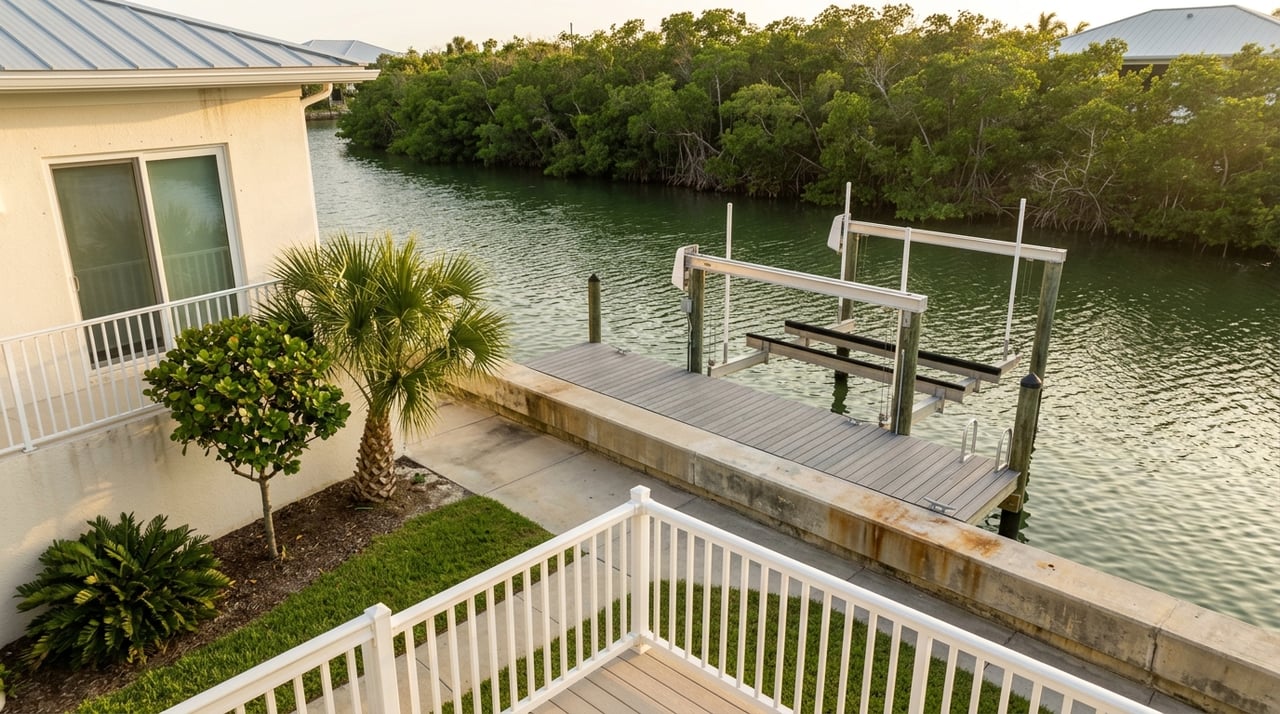
Wondering which kind of Weeki Wachee waterfront actually fits the way you want to live on the water? That is the real question for most buyers here, because "waterfront" can mean a quiet spring-fed river setting, a sheltered canal, or a faster route toward the Gulf. If you understand how each micro-location works, you can narrow your search faster and avoid buying the wrong kind of access for your boat, budget, and lifestyle. Let’s dive in.
Why Weeki Wachee Feels Different
Weeki Wachee is not just one type of waterfront. According to Florida State Parks, the Weeki Wachee River runs about 12 miles from the spring to the Gulf, creating a system that changes character as you move west.
That matters when you shop for property. Hernando County describes the area as a mix of tidal tributaries, spring-fed estuaries, and seagrass beds, while the Weekiwachee Preserve adds protected shoreline, marshes, and river frontage to the picture.
In simple terms, one address may be best for paddling and scenery, while another may make more sense if you want to keep a boat behind the house and head toward saltwater. Choosing the right location starts with knowing which setting matches how you will use it.
Riverfront Living in Weeki Wachee
Riverfront property is the most iconic version of Weeki Wachee waterfront. The Weeki Wachee Springs State Park experience is centered on clear water, paddling, wildlife, and a quieter spring-run atmosphere.
If your ideal day looks like kayaking, floating, or enjoying a natural-water backdrop from your backyard, riverfront may be the strongest fit. This is the setting most closely tied to the area’s signature clear-water identity.
Riverfront pros
Riverfront homes often appeal to buyers who want:
- Strong natural scenery
- A spring-fed water setting
- Easy access to paddling and floating
- A more protected, preserved feel
- A closer connection to the classic Weeki Wachee experience
Riverfront tradeoffs
The boating rules and shoreline protections are important here. The FWC Springs Protection Zone covers 5.61 miles from the spring boil to the Rogers Park boat ramp and restricts anchoring, mooring, beaching, and grounding vessels in that corridor.
For many buyers, that does not mean riverfront is off the table. It means you need to match your expectations to the rules. Hernando County notes that swimming, snorkeling, and floating on a raft or tube are still permitted, and the restriction does not apply to property owners docking personal vessels on water adjacent to their property.
There is another practical point. The Southwest Florida Water Management District says the state park and preserve may not be accessed from adjacent waterways, so this is more of a scenic corridor than a shoreline-stop boating environment.
Who riverfront suits best
Riverfront is usually the best fit if you value:
- Quiet water over open-water utility
- Scenic views over casual tie-up boating
- Paddling, tubing, and wildlife watching
- A more preserved and natural setting
If you are a serious boater first and a scenery buyer second, you may want to compare riverfront carefully against canal-front or Gulf-access options.
Canal-Front Homes Offer Balance
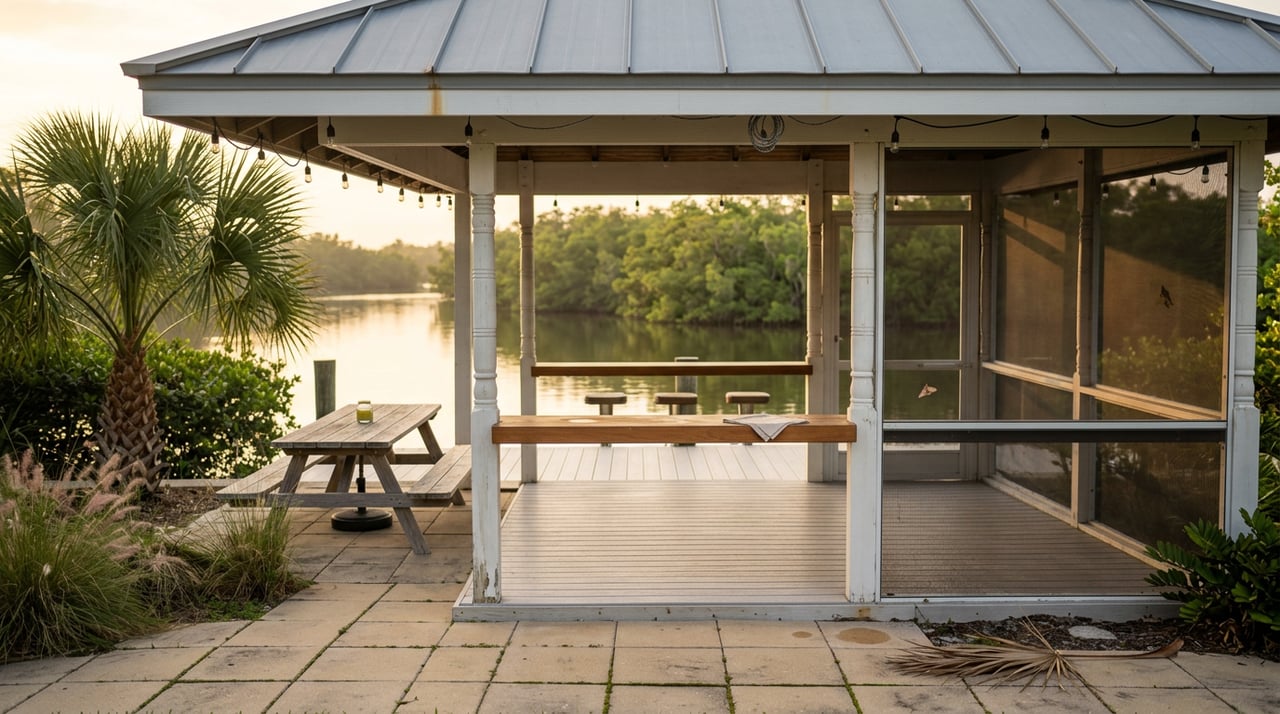
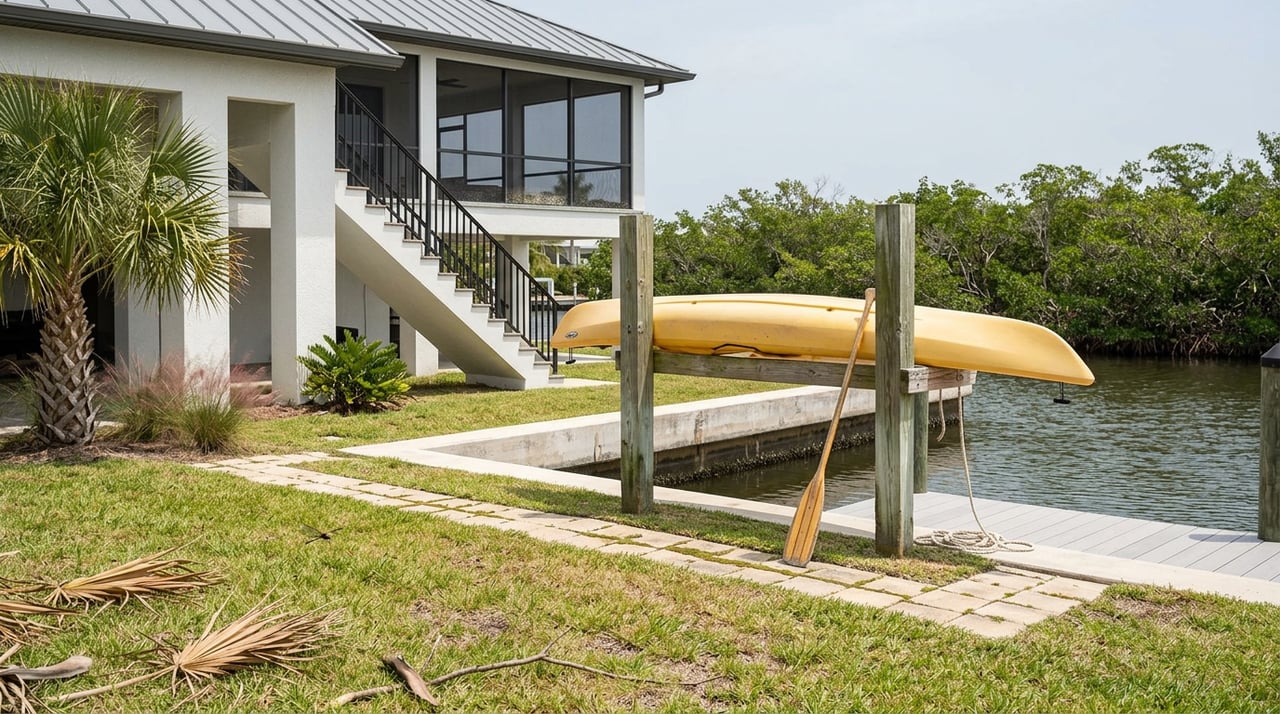
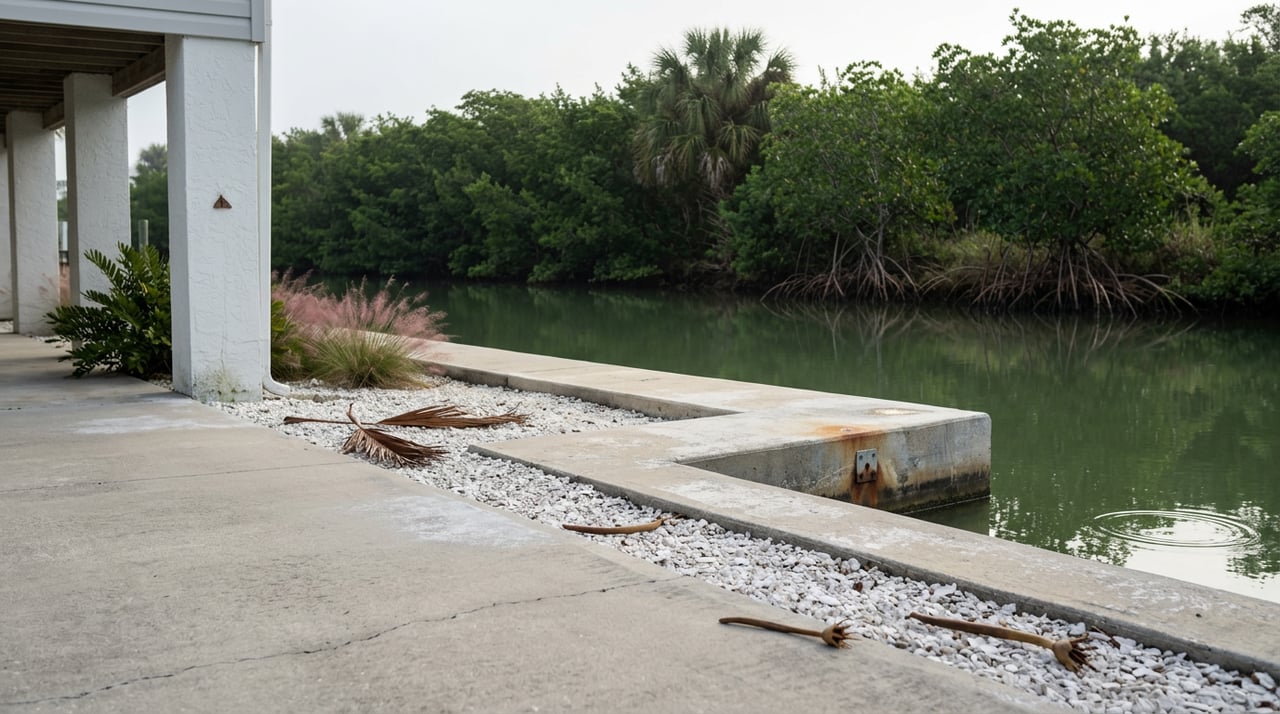
Canal-front property in the Weeki Wachee area offers a different kind of waterfront lifestyle. These settings are more engineered and more sheltered than the spring run, and they often make sense for buyers who want a dock out back with a path toward wider water access.
Hernando County identifies the local system as including tidal tributaries, and Jenkins Creek Park highlights the mix of freshwater springs, man-made canals, marshes, and waterways leading toward the Gulf. That gives canal-front homes a practical middle-ground appeal.
Why buyers like canals
Canal-front homes can be attractive if you want:
- A more sheltered dock location
- Boat storage behind the home
- Access toward the Gulf without living directly on the river
- A balance between boating function and residential setting
For many waterfront buyers, this is the sweet spot. You may get the convenience of backyard boating without being on the most active or regulated stretch of the river.
Canal questions matter more
Canals also demand more due diligence. County waterways discussions show Hernando County is actively studying navigable residential canals west of US 19, including issues related to depth, debris, and dredging recommendations, as noted in the December 2024 Waterways Advisory Committee minutes.
That is why canal-front buyers should ask detailed questions early. You want to understand whether a canal is navigable for the boat you plan to keep, how vegetation and debris are handled, and whether long-term maintenance may affect your use over time.
Flood exposure on canal locations
Flood risk is also part of the canal conversation. Hernando County’s 2025 Local Mitigation Strategy says the west side of the county is generally anticipated to flood from high tides, coastal storms, and heavy rain, especially along the Weeki Wachee River, canals, and adjoining low-lying roadways.
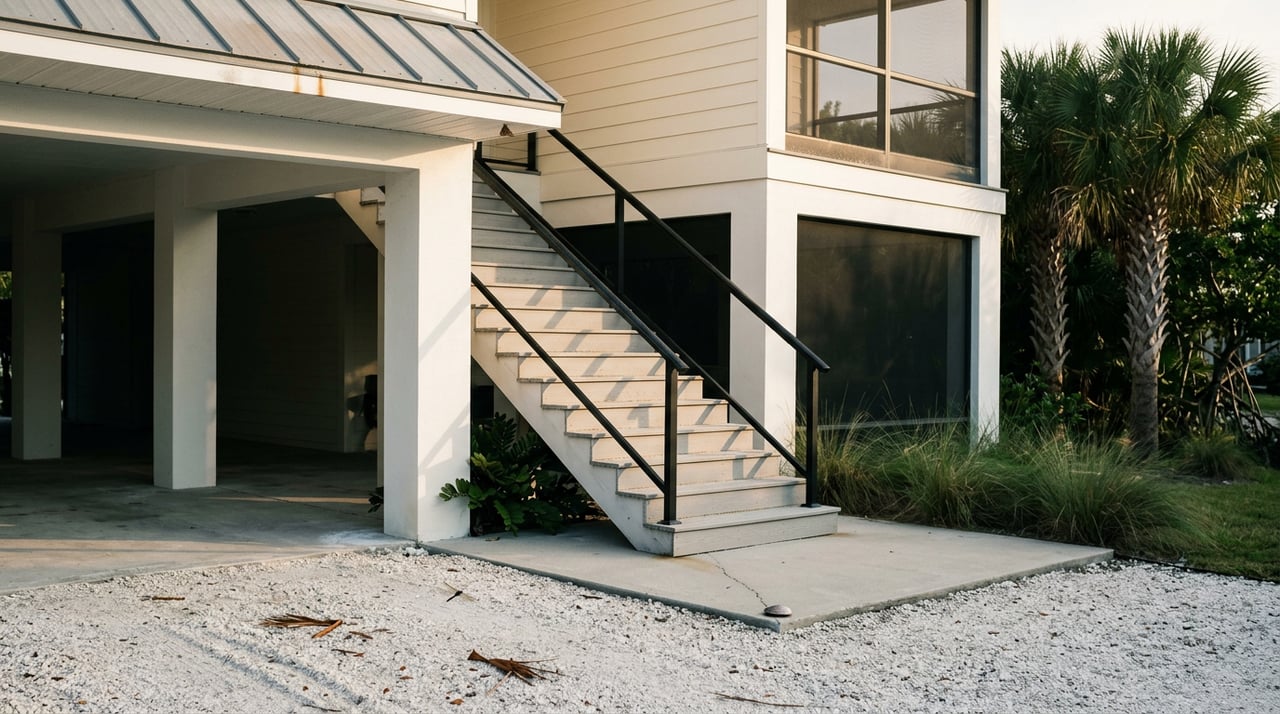
That does not make canal-front ownership a bad choice. It simply means elevation, drainage, and insurance should be part of your location decision from the start.
Gulf-Access Areas Favor Boaters
If your main goal is getting out to saltwater faster, Gulf-access areas deserve a close look. These locations are typically the most practical choice for buyers who prioritize fishing, open-water boating, and shorter runs toward the Gulf.
On the Gulf-side edge of the system, Bayport Park provides two boat ramps. County materials also note that the Hernando Beach Boat Lift was installed to provide waterway access to the Gulf from Hernando Beach South subdivisions while separating salt and fresh water to preserve habitat.
Why Gulf-access works
Gulf-access locations often make the most sense if you want:
- Quicker runs to open water
- Saltwater fishing access
- Boating convenience first
- Less emphasis on the spring-run environment
This is often the best match for buyers who think like boaters first. If your weekends revolve around tides, fishing plans, and time on open water, the western edge of the market may line up better with your lifestyle.
The tradeoff with Gulf-side settings
The tradeoff is greater exposure to tides, storm surge, and heavy rainfall. Hernando County’s mitigation plan makes clear that the west side of the county faces more flooding pressure than inland locations.
So when you compare Gulf-access homes, it helps to think beyond the dock. You also want to consider resilience, ongoing maintenance, and your comfort level with coastal conditions over the long term.
How to Choose the Right Micro-Location
The best Weeki Wachee waterfront location is not the same for every buyer. It depends on whether you care most about scenery, sheltered docking, or the fastest route to saltwater.
A simple way to frame it is this:
- Riverfront fits buyers who want scenic paddling and a preserved spring-run feel.
- Canal-front fits buyers who want a practical balance of sheltered docking and water access.
- Gulf-access fits buyers who want saltwater boating and open-water convenience first.
Once you know your priority, your home search gets much clearer.
What to Verify Before You Buy
Even if a property looks perfect online, waterfront buying always comes down to details. In Weeki Wachee, a few checks can tell you a lot about how the property will really function.
Check flood maps early
Flood zone verification should happen near the beginning of your search, not near the end. FEMA says the Flood Map Service Center is the official public source for flood-hazard information, and Hernando County recognizes FEMA flood maps as the official source for flood-zone determinations.
Confirm boating rules
If you are looking at riverfront property, confirm whether the home sits inside or near the Springs Protection Zone and whether your planned use fits the local rules. Small differences in location can affect how you use the water day to day.
If you are considering canal or Gulf-access property, it is also smart to review current anchoring rules. The FWC notes that as of January 1, 2026, vessels anchored in Florida waters for 14 days or more within any 30-day period will need a no-cost electronic long-term anchoring permit.
Match the lot to your real use
This is where many buyers save themselves time and frustration. Instead of asking only whether a home is waterfront, ask whether it supports the way you actually plan to live.
Think through questions like:
- Will you paddle more than you powerboat?
- Do you want a quiet scenic backdrop or faster boating access?
- Is a sheltered dock important?
- Are you comfortable with more flood and maintenance planning?
- Do nearby parks or access points add convenience, or do you prefer more privacy?
Those answers usually point you toward the right micro-location faster than price alone.
If you want help narrowing down which Weeki Wachee waterfront setting fits your boating style, flood-risk comfort, and access goals, Greg Klesius can help you sort through the details and start with a canal tour.
FAQs
What is the difference between riverfront and canal-front homes in Weeki Wachee?
- Riverfront homes are usually more tied to the natural spring-run setting, while canal-front homes are generally more sheltered and often better suited for keeping a boat behind the house.
How much of the Weeki Wachee River is protected by boating rules?
- The FWC Springs Protection Zone covers 5.61 miles from the spring boil to Rogers Park and restricts anchoring, mooring, beaching, and grounding vessels within that corridor.
Can you still swim or tube in the Weeki Wachee protection zone?
- Yes. Hernando County says swimming, snorkeling, and floating on a raft or tube are permitted in the protection zone.
What should buyers verify about canals in Weeki Wachee?
- Buyers should confirm canal depth, debris conditions, navigability for their boat, and whether ongoing maintenance or dredging issues could affect long-term use.
Are Gulf-access homes in Weeki Wachee better for fishing and open-water boating?
- In general, yes. Gulf-access locations are usually the best fit for buyers who want quicker access to saltwater and open-water boating convenience.
How do you check a flood zone for a Weeki Wachee waterfront property?
- You can verify flood-hazard information through FEMA’s official Flood Map Service Center, which Hernando County recognizes as the official source for flood-zone determinations.