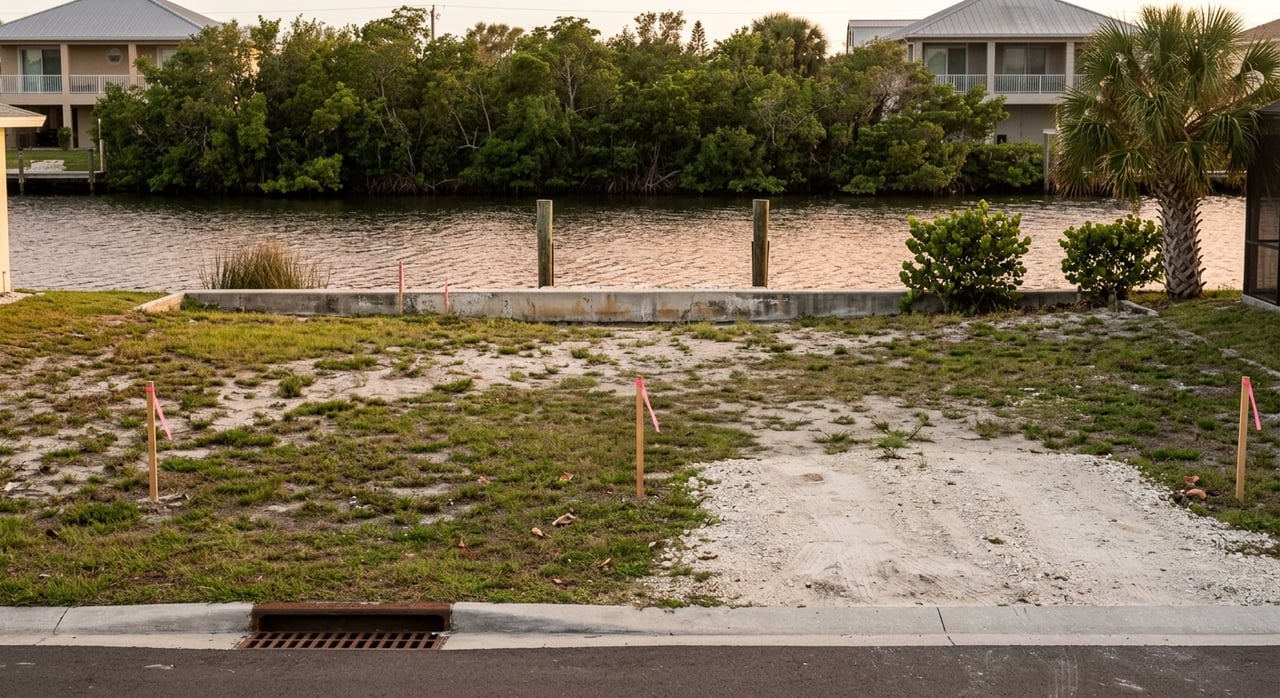
Wondering if that vacant waterfront lot in Hernando Beach is really the right one for your future build and your boat? That is the question smart buyers should ask early, because in 34607, two lots that look similar online can offer very different boating access, building options, and permit needs. If you want to buy with fewer surprises, this guide will walk you through what to verify before you write an offer, from canal access and zoning to docks, utilities, and flood-related questions. Let’s dive in.
Know the lot type first
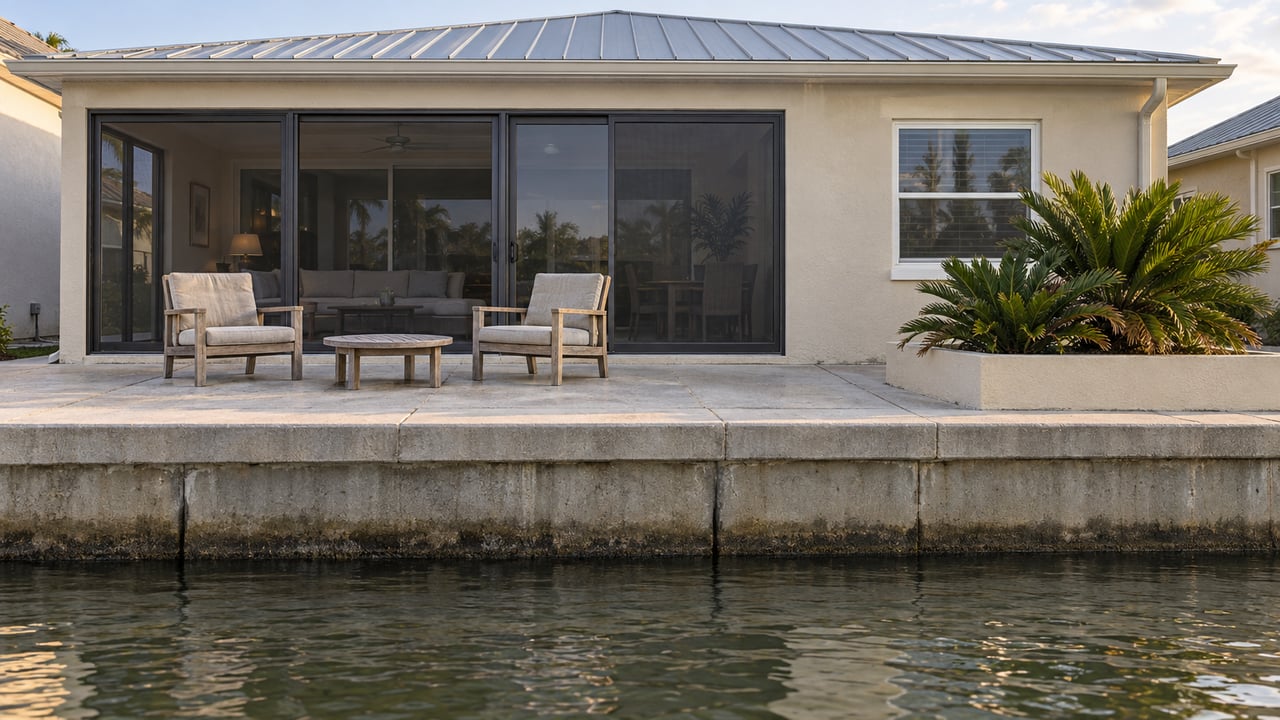
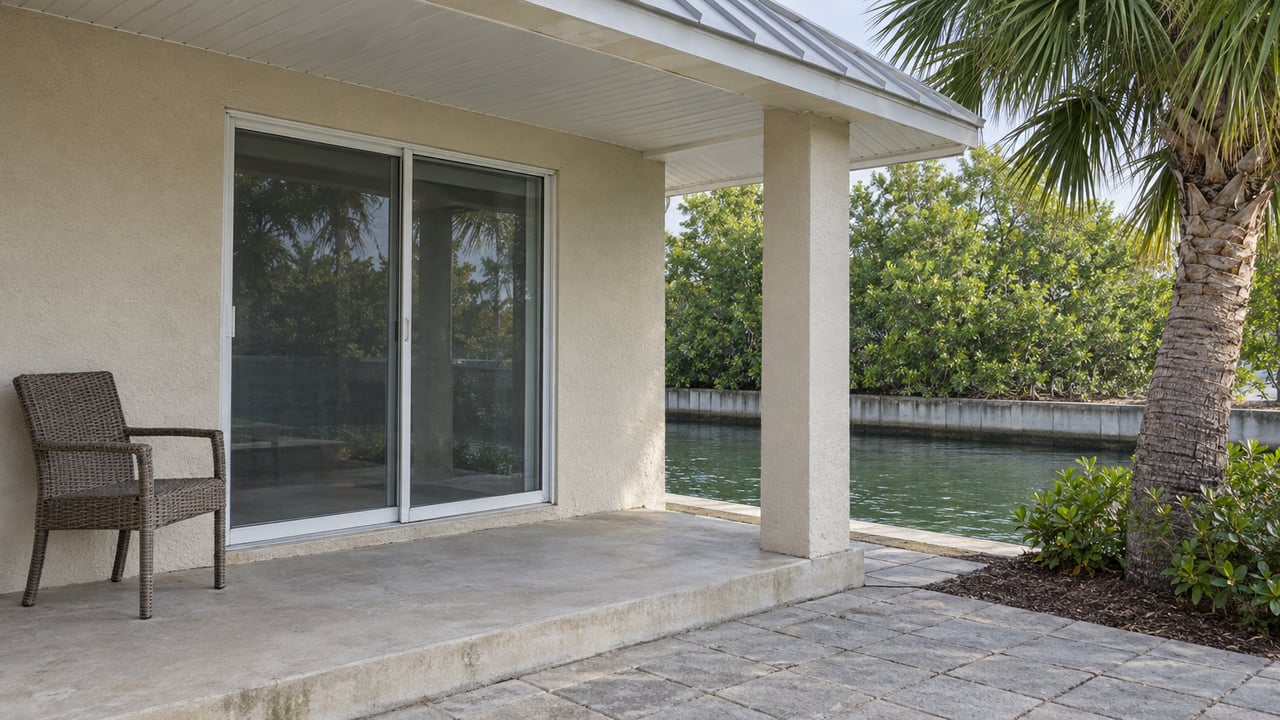
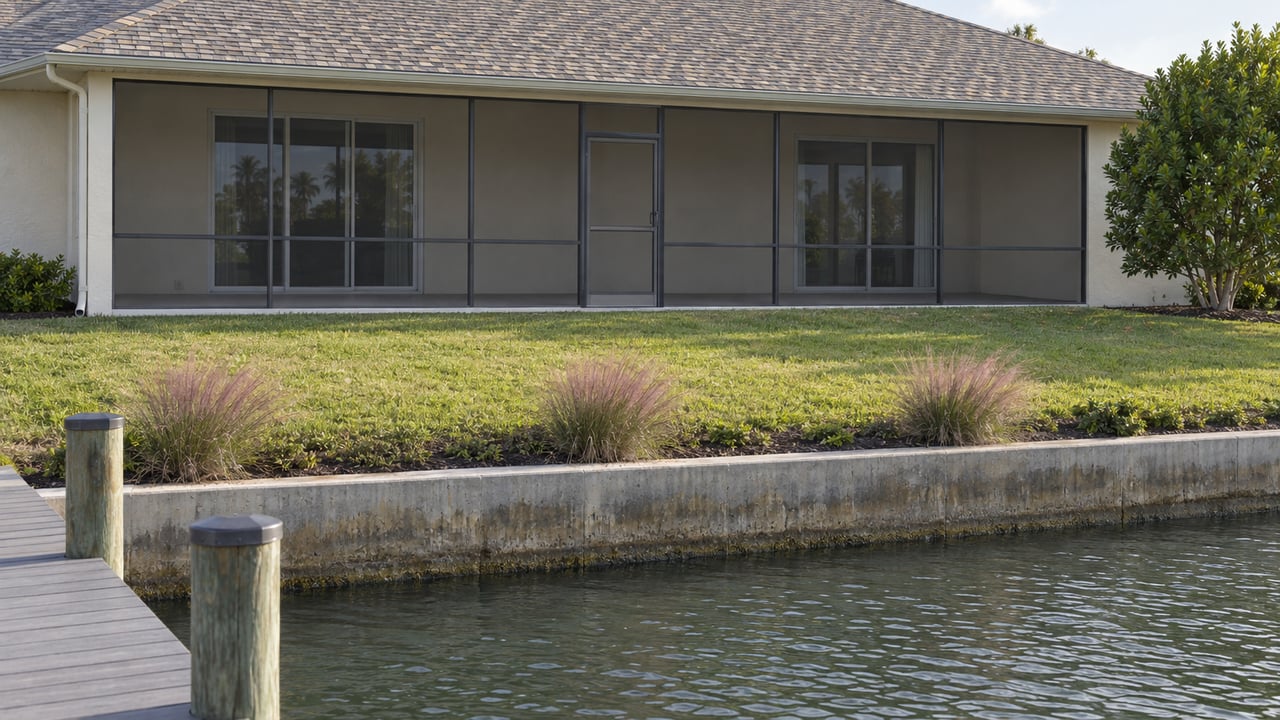
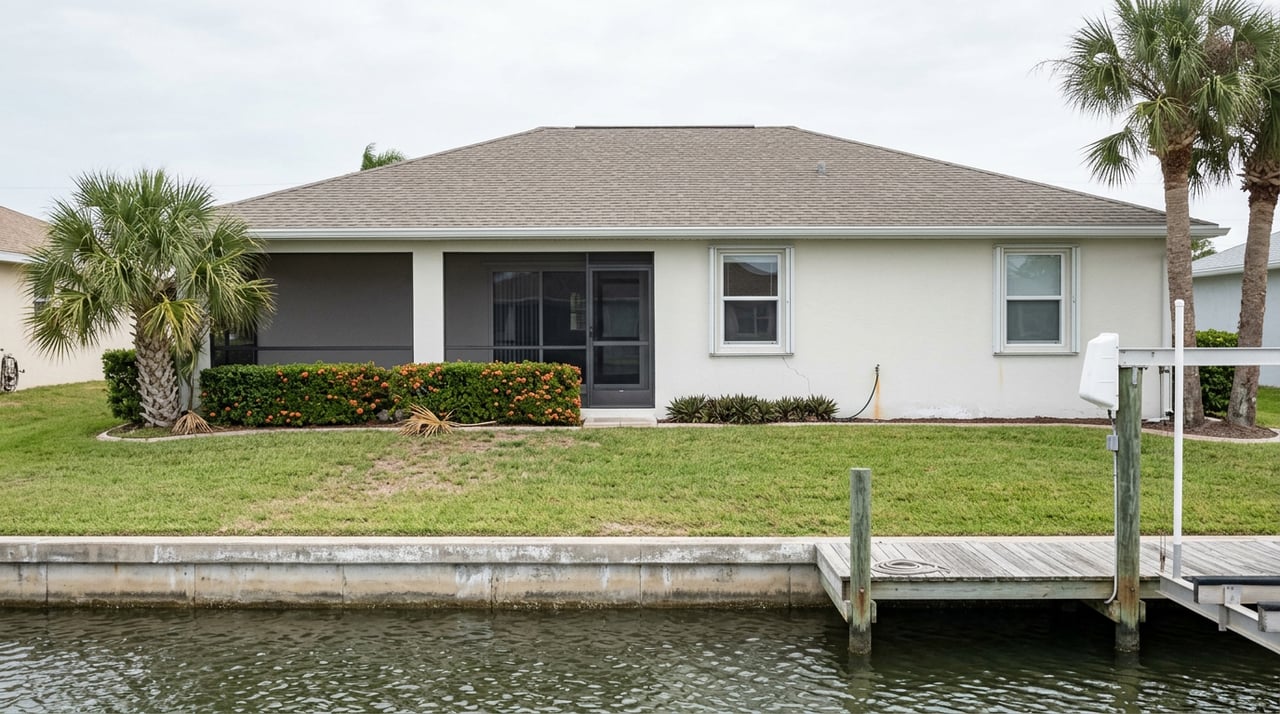
Not every waterfront lot in Hernando Beach offers the same day-to-day boating experience. County records support a practical distinction between canal-front, canal-corner, channel-adjacent, and open-water parcels because access and navigation can vary meaningfully from one location to another.
That matters if you plan to keep a boat at home, build a dock, or prioritize a quick route to the Gulf. Hernando County’s Boat Ramp Master Plan notes that the Hernando Beach Boat Ramp on Hernando Beach Channel provides direct access to the Gulf of Mexico, which helps frame how important channel position can be.
Compare Gulf access carefully
If boating is part of your plan, do not stop at the words “waterfront” or even “Gulf access.” You want to understand the exact route from the lot to open water, along with any canal-specific conditions that could affect how easy that trip feels in real life.
Hernando County has documented a no-wake, idle-speed safety zone in the Hernando Beach Western Perimeter Canal due to shallow and unsafe conditions above idle speed. That does not mean you should avoid every lot in that area, but it does mean canal location can affect your routine every time you leave the dock.
Ask about the actual boat route
Before you move forward, ask for the exact access route to open water. A lot may technically have water access while still offering a very different experience depending on where it sits in the canal system.
This is where local waterfront knowledge matters. You want to understand how the lot functions, not just how it is labeled.
Check zoning and lot rules early
One of the biggest mistakes buyers make with vacant land is assuming they can build what they have in mind without first checking the zoning district. Hernando County says you must identify the property’s zoning district before deciding what can be built because each district has its own permitted uses, setbacks, and dimensional requirements.
Some parcels may also fall within PDP districts, which can have customized uses and setbacks. On top of that, platted lots may include extra easements or buffers beyond base setback rules, so a lot that looks straightforward on paper may come with added limitations.
Use local mapping tools before offering
Hernando County’s GeoHub and Land Use Standards Map can help you review:
- Flood zones
- Wetlands
- Conservation lands
- Land use
- Setbacks
- Maximum building height
- Key parcel details
These tools are a strong starting point for due diligence. They can help you spot issues early and shape smarter questions before you get too far into the deal.
Treat flood review as a first-step item
On waterfront land, flood questions should come up at the beginning, not the end. Hernando County says the FEMA Flood Insurance Rate Map remains the official source for flood-zone determinations, while local watershed data may also affect development even if it is not shown on FEMA maps.
For you as a buyer, that can influence building design, elevation strategy, and insurance budgeting. It is much easier to evaluate the total cost of a lot when you understand these factors before closing.
Review the survey and plat closely
A current survey or careful plat review is especially important on a vacant waterfront parcel. Hernando County’s building permit application says a site plan must show canal, lake, or river frontage, property dimensions, and existing or proposed structures.
For dock planning, Florida DEP guidance also uses mean high water and riparian lines as reference points. In practical terms, that means lot lines, water frontage, and water-related rights should be verified early rather than guessed at later.
Key documents to review
Before you buy, make sure you review:
- A current survey if available
- The recorded plat
- Title documents for easements
- Any notes related to riparian lines
- Any recorded restrictions that affect use or improvements
These details can shape where you build, how you access the water, and what kind of dock or shoreline work may be possible.
Understand dock and seawall permitting
A vacant lot may look “ready,” but docks, piers, lifts, and shoreline stabilization can trigger additional review. In Hernando County, Florida DEP’s Southwest District handles Environmental Resource Permit work for activities in wetlands, surface waters, and state lands, including docks, piers, boat ramps, and shoreline stabilization.
DEP says some single-family dock projects can be self-certified as exempt with no fee. Its dock guidance also distinguishes exempt docks in canals outside Outstanding Florida Waters from general permits and individual permits, with different size limits and use standards.
What buyers should know about dock options
According to DEP guidance:
- A new dock with or without a boat lift may qualify for self-certification in some cases
- Repair or replacement of an existing dock may also be eligible in some cases
- Adding a boat lift to an existing dock may also fall under that process in some situations
- Exempt canal docks outside Outstanding Florida Waters can be up to 1,000 square feet of over-water surface area
- General permits can allow up to 2,000 square feet and are designed for no more than two vessels
That does not mean every lot will qualify for the simplest path. The parcel’s exact setting and water conditions still matter.
Watch for wetlands and shoreline issues
If the lot touches wetlands or other surface waters, expect more review. DEP’s permitting framework supports the idea that shoreline work or waterside improvements may require a more formal process, and a formal wetland determination can be legally binding for the parcel.
This is one reason vacant waterfront lots should never be evaluated only by photos. A beautiful shoreline edge may still come with environmental review that affects timeline, cost, or design.
Do not assume coastal rules are the same everywhere
If you are looking at an open-Gulf or more exposed parcel, verify the site-specific coastal rules instead of assuming the same standards apply to every waterfront property. DEP’s Coastal Construction Control Line contact information notes that Big Bend coastal counties, including Hernando, do not have established CCCLs.
That is useful because it reminds buyers to confirm the actual rule set for the parcel instead of relying on assumptions borrowed from other Florida coastal markets.
Verify utilities before you close
A waterfront lot can lose its shine fast if utility assumptions turn out to be wrong. Hernando County Utilities Department offers an interactive water and sewer service map, utility maps, will-serve letters, utility capacity letters, and related request forms.
That gives you a local path to confirm service availability instead of relying on listing language or seller memory. If you are budgeting a build, this step deserves attention early.
Sewer or septic is not a guess
In parts of Hernando County, onsite sewage remains an important issue. The county’s septic-to-sewer conversion work and septic upgrade incentives show why you should verify whether central sewer is available or whether septic will be required for a specific lot.
Do not assume either one. Get confirmation before closing so your site planning and budget are based on facts.
Budget for permitting and timing
Land buyers often focus on lot price and construction cost, but permitting steps can affect both budget and timeline. Hernando County’s building permit application states that no work may begin before a permit is issued, and a notice of commencement must be recorded and posted before the first inspection.
The county also says new impact-fee rates apply to building permit applications received on or after December 2, 2024. If you are building soon after purchase, that timing can matter.
Do not overlook clearing rules
If the lot needs clearing, check tree rules before making plans. Hernando County requires a tree-removal permit before removing specimen or majestic trees.
That is another small but important example of why a vacant lot purchase should be treated like a technical property review, not just a land sale.
Questions to ask before making an offer
A strong offer starts with strong questions. Based on county and DEP guidance, these are some of the most useful ones to ask before you commit:
- What is the exact route from this lot to open water?
- Are there canal-specific navigation rules that affect daily boating use?
- What do the survey, plat, and title documents show for easements and riparian lines?
- What is the property’s zoning district, and what setbacks and dimensional rules apply?
- Is the lot in an official flood zone, and is there local watershed data that may affect development?
- Are water and sewer available, or will septic be required?
- Will dock, seawall, shoreline stabilization, or wetland review likely be needed?
- Are there deed restrictions, HOA rules, or other recorded limitations to review?
These questions can save you time, money, and frustration. They also help you compare lots on real utility, not just price per square foot.
Why local waterfront guidance matters
Buying a vacant waterfront lot in Hernando Beach is different from buying an inland homesite. You are not just evaluating land. You are evaluating access, navigability, permitting, shoreline conditions, flood-related development factors, and utility readiness all at once.
That is why buyers often benefit from working with someone who understands how boating and real estate overlap in this market. When you can compare canal position, likely dock questions, flood considerations, and practical build issues before you offer, you put yourself in a much stronger position.
If you are weighing lots in Hernando Beach and want clear, local guidance on canal access, waterfront due diligence, and what to verify before you buy, start with a canal tour and connect with Greg Klesius.
FAQs
What should you verify before buying a vacant waterfront lot in Hernando Beach?
- Check the zoning district, flood-zone status, wetlands, setbacks, utility availability, survey details, title easements, riparian lines, and the exact route to open water.
How do waterfront lot types differ in Hernando Beach?
- Canal-front, canal-corner, channel-adjacent, and open-water lots can offer different boating convenience and access patterns, so buyers should compare each parcel by location and route, not just by listing description.
Can you build a dock on a vacant waterfront lot in Hernando Beach?
- Possibly, but the permit path depends on the parcel and the proposed work, and Florida DEP’s Southwest District handles permitting for docks, piers, shoreline stabilization, and related waterfront improvements.
Why does flood-zone research matter for Hernando Beach vacant lots?
- Flood-zone status can affect development, foundation planning, and insurance budgeting, and Hernando County says FEMA maps are the official source while local watershed data may also influence development.
How do you check water and sewer service for a Hernando Beach lot?
- Hernando County Utilities Department provides an interactive water and sewer service map, utility maps, and utility-related request options that can help confirm service availability for a specific parcel.
Are there canal-specific boating restrictions in Hernando Beach?
- Yes, Hernando County has documented a no-wake, idle-speed safety zone in the Western Perimeter Canal, so buyers should confirm whether any lot they are considering is affected by canal-specific navigation conditions or rules.