Buying a waterfront home from out of town can feel simple right up until the details start stacking up. In Weeki Wachee, those details matter because flood zones, river conditions, utility status, insurance timing, and shoreline rules can all affect your closing in real ways. If you want fewer surprises and a smoother path to the keys, it helps to know what to verify early and what can wait. Let’s dive in.
Why Weeki Wachee closings need extra care
Weeki Wachee is not just another Florida waterfront market. The Southwest Florida Water Management District describes the upper Weeki Wachee River as a freshwater spring-fed river that becomes estuarine farther downstream, and the system carries multiple environmental designations.
For you as a buyer, that means one stretch of shoreline may function very differently from another. Water behavior, boating access, and shoreline rules can change based on where the property sits, so the same checklist does not fit every waterfront address.
Start with flood-zone verification
If you are buying from outside the area, make flood-zone verification one of your first due diligence steps. Hernando County says the FEMA Flood Insurance Rate Map is the official source for flood-zone determinations, but the county also maintains local watershed information that may affect development even when it does not appear on FEMA maps.
The county also notes that LOMA and LOMR determinations can supersede the map. In plain terms, you do not want to assume the online map screenshot tells the whole story. Ask for current documentation early so insurance shopping and lender questions do not hit you at the last minute.
Flood history matters early too
Florida law requires a seller to provide a flood-risk disclosure to a buyer at or before contract execution for residential real property. That disclosure includes items such as the seller’s knowledge of flooding during ownership, flood-related claims, and flood-related disaster assistance.
That makes flood history a contract-stage issue, not something to leave for the week of closing. If you are comparing several homes, this can help you spot important differences sooner.
Understand the water behind the house
One of the biggest mistakes out-of-area buyers make is assuming all waterfront in Weeki Wachee offers the same use and feel. It does not. The river system shifts from freshwater spring-fed conditions upstream to more estuarine conditions farther down.
That can affect how you think about boating, dock use, and day-to-day enjoyment of the property. If you are buying for access as much as for the house itself, be sure your due diligence includes the specific water segment, not just the street address.
Spring-protection rules can affect vessel use
Hernando County says the Weeki Wachee River Springs Protection Zone prohibits anchoring, mooring, beaching, or grounding vessels in a 5.61-mile stretch from Rogers Park to the headsprings. The county also says the zone does not change public access, but it does regulate vessel use.
That distinction is important. You may still have access to the water, but how a vessel can be used in that stretch is not the same as in every other waterfront area. If your purchase decision depends on boating convenience, confirm how the rules apply to that location before you close.
Check docks, seawalls, and shoreline work
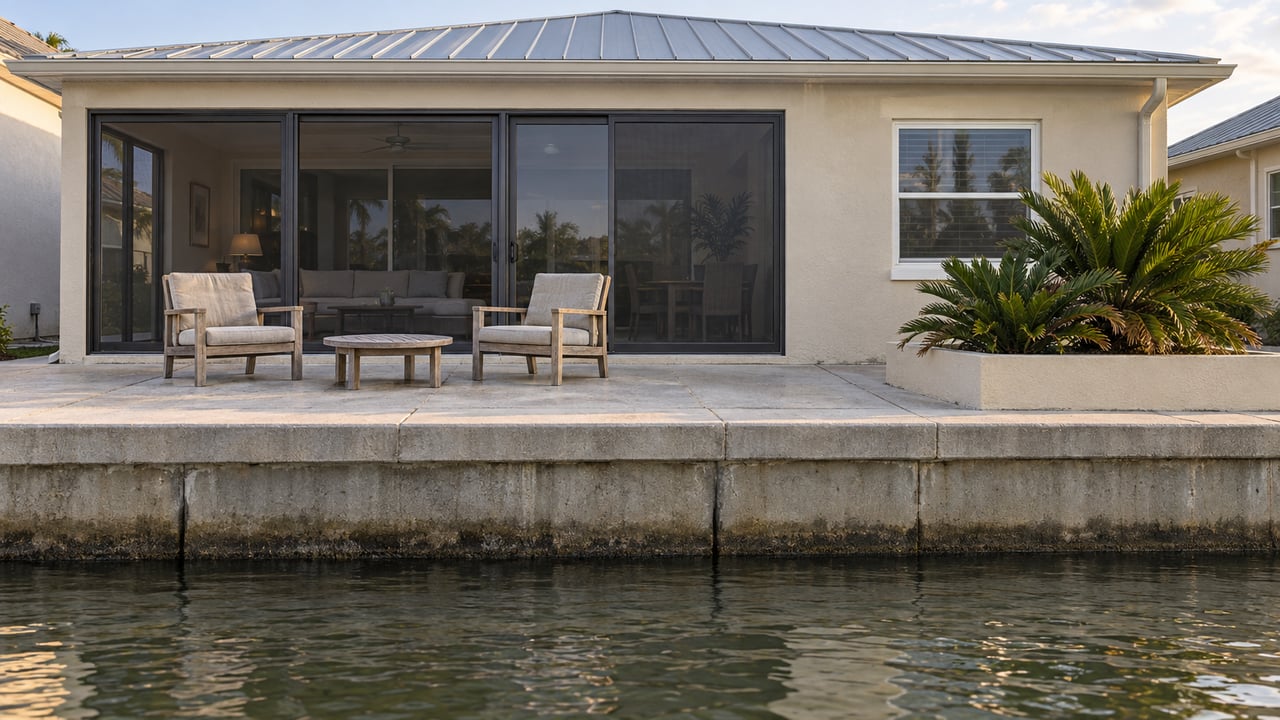
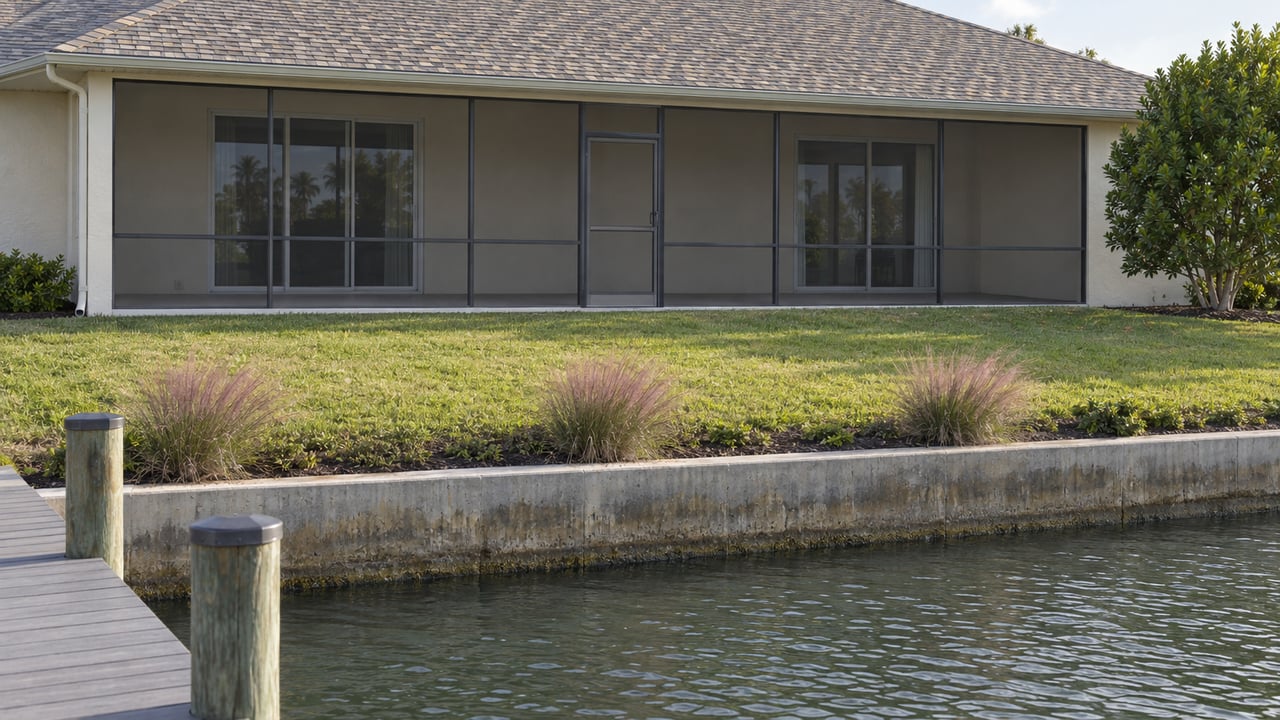
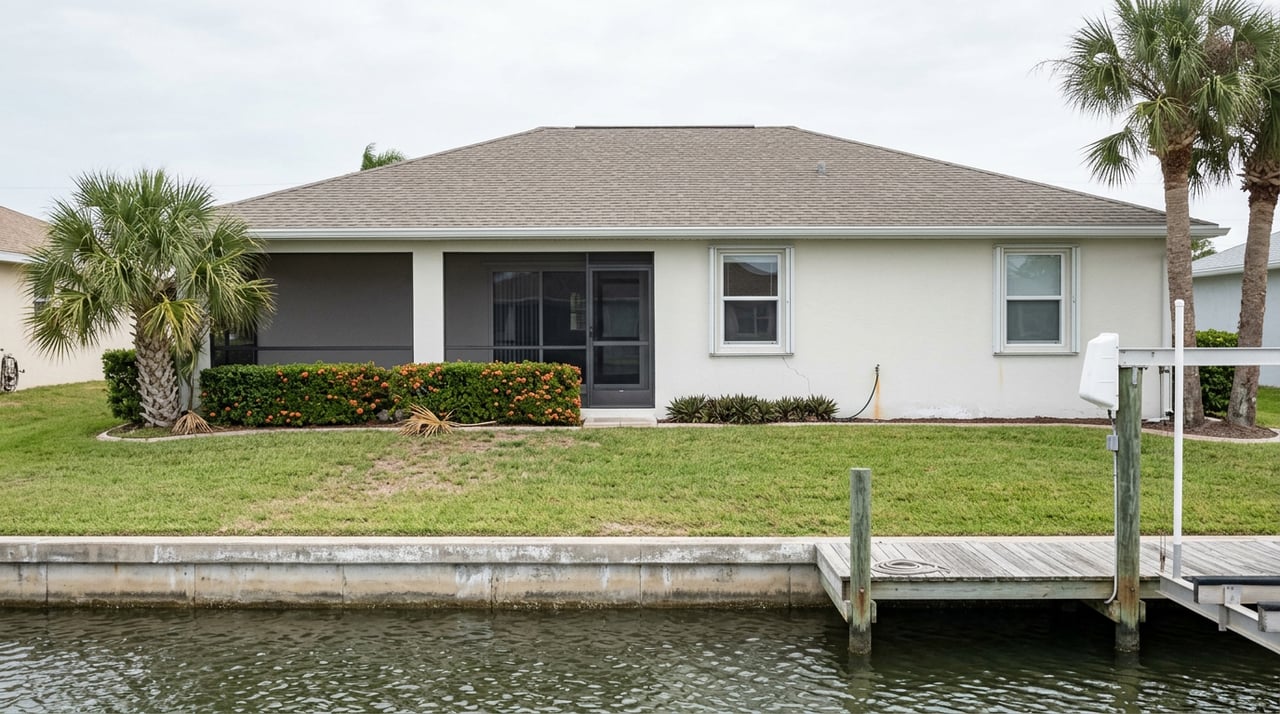
Waterfront improvements deserve their own review. A dock, seawall, dredging project, or fill work can trigger state environmental resource permitting, and any use of sovereign submerged lands needs separate authorization.
The Florida Department of Environmental Protection defines sovereignty submerged lands as lands waterward of the ordinary or mean high water line and beneath navigable fresh water or tidally influenced waters. For you, the practical takeaway is simple: do not assume every visible improvement was built, repaired, or expanded without permitting questions.
Why title and survey matter more on waterfront
A survey shows the lot, house, structures, and improvements. Title work compiles the public-record history of the property, and title insurance is meant to protect against defects such as liens, easements, restrictive covenants, and encroachments.
On a waterfront home, this becomes especially important when a dock, seawall, fence, or other improvement sits close to a boundary or easement. Review the survey carefully and make sure waterfront improvements are addressed during your title review rather than after closing.
Expect more than one inspection
A general home inspection is still the baseline. Florida consumer guidance says a home inspection helps discover defects that may not be obvious, and common areas include structure, roof, plumbing, electrical, and HVAC.
On waterfront homes, you should also pay close attention to moisture, corrosion, and wear tied to exposure and access. These homes often live harder than inland homes, so inspection findings can carry more weight in negotiations and insurance underwriting.
General inspection vs. 4-point inspection
A lot of out-of-area buyers assume one inspection covers everything. In Florida, that is often not the case. The Department of Financial Services says a four-point inspection is commonly required for homeowners insurance and focuses on roofing, electrical, plumbing, and HVAC.
That is different from a standard home inspection. DFS also says a wind-mitigation inspection can identify credits toward hurricane-loss premiums, so you may need more than one report as you move from contract to insurance approval.
Verify sewer, septic, and water service early
Older waterfront homes can come with utility setups that surprise buyers. Hernando County has a Septic to Sewer Conversion Project tied to the state-mandated remediation plan for Weeki Wachee Springs, and the county also operates a Septic Upgrade Incentive Program for homes in the Weeki Wachee Springs Priority Focus Area.
That makes utility status a real due diligence item, especially for older properties. Do not assume a home is on public sewer or public water just because it is close to the river or near other homes.
Private well and septic questions
Florida health guidance says septic permitting outside the transferred counties remains with the local county health department. DOH-Hernando also says it does not regulate or sample private wells.
So if the property uses septic or a private well, verify that early and plan for any independent testing or inspections you may need. This is one of the easiest issues to miss when you are buying from a distance.
Shop insurance sooner than you think
Flood coverage is separate from normal homeowners insurance. Florida DFS says a flood policy is usually separate from homeowners coverage, and NFIP says most homeowners and renters insurance does not cover flood damage.
If you are financing the purchase, this matters even more. NFIP says homes in a Special Flood Hazard Area with a government-backed mortgage are required to have flood insurance.
Timing can affect your closing
NFIP flood insurance generally has a 30-day waiting period after purchase, though exceptions can apply when coverage is purchased in connection with making, increasing, extending, or renewing a mortgage loan. The safe move is to start insurance shopping early, not after your closing date is already on the calendar.
Older waterfront homes may also need extra underwriting time. DFS says insurers look at factors such as the home’s age, roof type, location, size, mitigation credits, and claims history.
Elevation and mitigation can matter
FEMA notes that an elevation certificate can help lower premium costs. DFS also says a wind-mitigation inspection can identify premium credits for hurricane-loss coverage.
That does not guarantee lower costs, but it does mean documentation can make a difference. If you are comparing two similar homes, the better-documented one may be easier to insure.
Know what happens before closing day
Closing is the final step in buying and financing the home, but a lot happens just before you sign. The lender must provide your Closing Disclosure at least three business days before closing.
That gives you time to review the final numbers, compare them to your expectations, and flag questions while there is still time to solve them. If you are buying from out of area, build in time for that review instead of treating it like a same-day formality.
The final walkthrough still matters
A final walkthrough should happen before signing so you can confirm agreed repairs are complete and that items the seller promised to leave are still there. On a waterfront property, this is also a good time to confirm visible conditions have not changed since inspections.
Keep the walkthrough practical. Confirm the home’s condition, check that agreed items remain in place, and make sure no unresolved issue is waiting for you after the closing table.
Understand the title side of closing
In Florida, the person paying the title premium gets the first choice of closing or title agent, subject to lender approval. The buyer and seller can also agree on a closing agent or even split the closing.
DFS explains that title agencies handle primary title services, closing services, and escrow functions. For waterfront transactions, that makes the title side more than routine paperwork. It is where deed, escrow, and title issues are brought together and resolved.
Keep your records after closing
After the transaction is complete, hold on to your key documents. DFS specifically recommends keeping copies of the Closing Disclosure, title commitment, sales contract, escrow agreement, title policy, and other closing records.
Those documents can matter later if you ever need to sort out an insurance or title issue. A good file now can save you a major headache later.
Why local coordination helps out-of-area buyers
When you are buying from outside Weeki Wachee, the hard part is not just understanding one issue. It is keeping flood verification, inspections, insurance, title work, utility status, and waterfront questions moving on the same timeline.
That is where local, owner-led guidance can make the process feel a lot more manageable. If you want someone who understands waterfront access, flood-insurance concerns, docks, seawalls, and the moving pieces of a coastal closing, start with a canal tour and a conversation with Greg Klesius.
FAQs
What makes a Weeki Wachee waterfront closing different from a typical home closing?
- Weeki Wachee waterfront closings can involve added review of flood zones, spring-protection rules, water conditions, shoreline improvements, utility status, inspections, and insurance timing.
How do I verify the flood zone for a Weeki Wachee property?
- Hernando County says the FEMA Flood Insurance Rate Map is the official source for flood-zone determinations, and buyers should also check whether any LOMA or LOMR determination supersedes the map.
Do Weeki Wachee river rules affect how I can use a boat near the home?
- Yes, Hernando County says the Springs Protection Zone from Rogers Park to the headsprings prohibits anchoring, mooring, beaching, or grounding vessels in that stretch.
What should a survey show on a Weeki Wachee waterfront home?
- A survey should show the lot, house, structures, and improvements, which can help you review boundary questions involving items like docks, seawalls, fences, and easements.
What is the difference between a general inspection and a 4-point inspection in Florida?
- A general inspection reviews the home’s overall condition, while a four-point inspection for insurance commonly focuses on roofing, electrical, plumbing, and HVAC.
Should I check whether a Weeki Wachee waterfront home is on sewer or septic?
- Yes, especially on older homes, because utility status can vary and Hernando County has ongoing septic-to-sewer and septic-upgrade efforts tied to the Weeki Wachee Springs area.
Is flood insurance separate from homeowners insurance for a Weeki Wachee purchase?
- Yes, flood coverage is usually separate from standard homeowners insurance, and most homeowners policies do not cover flood damage.
When do I receive the Closing Disclosure for a Florida home purchase?
- Your lender must provide the Closing Disclosure at least three business days before closing.