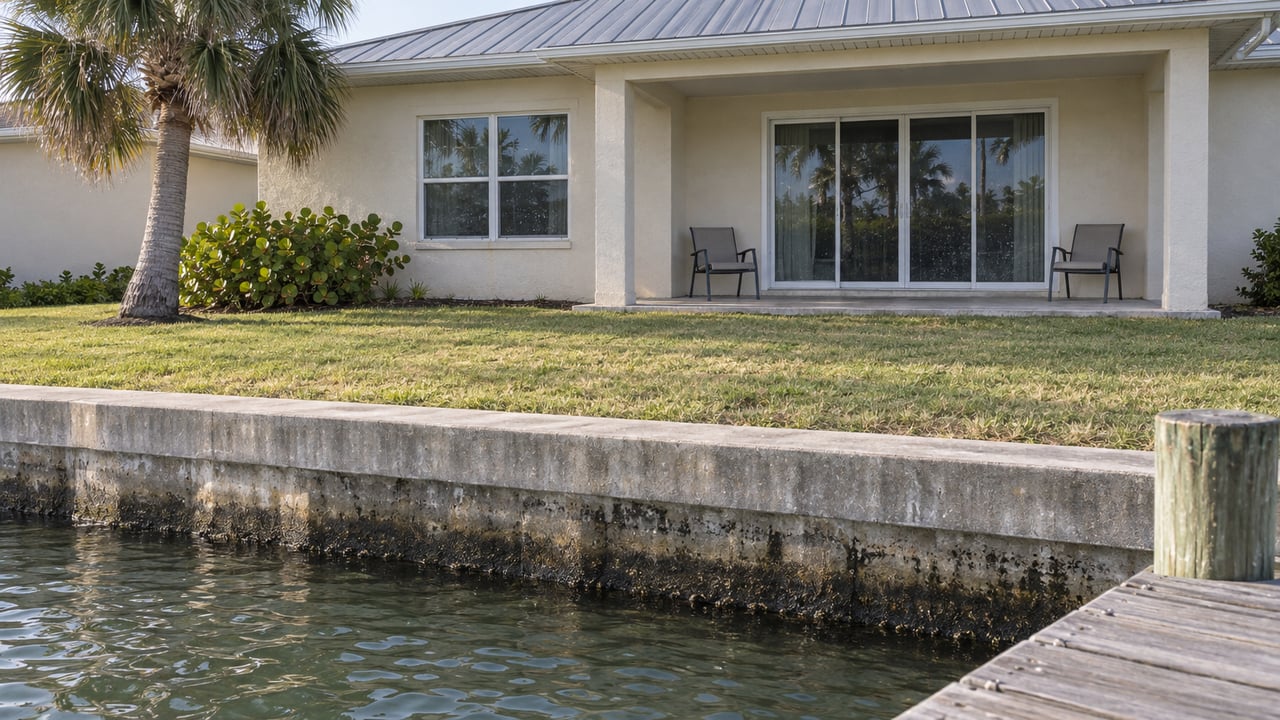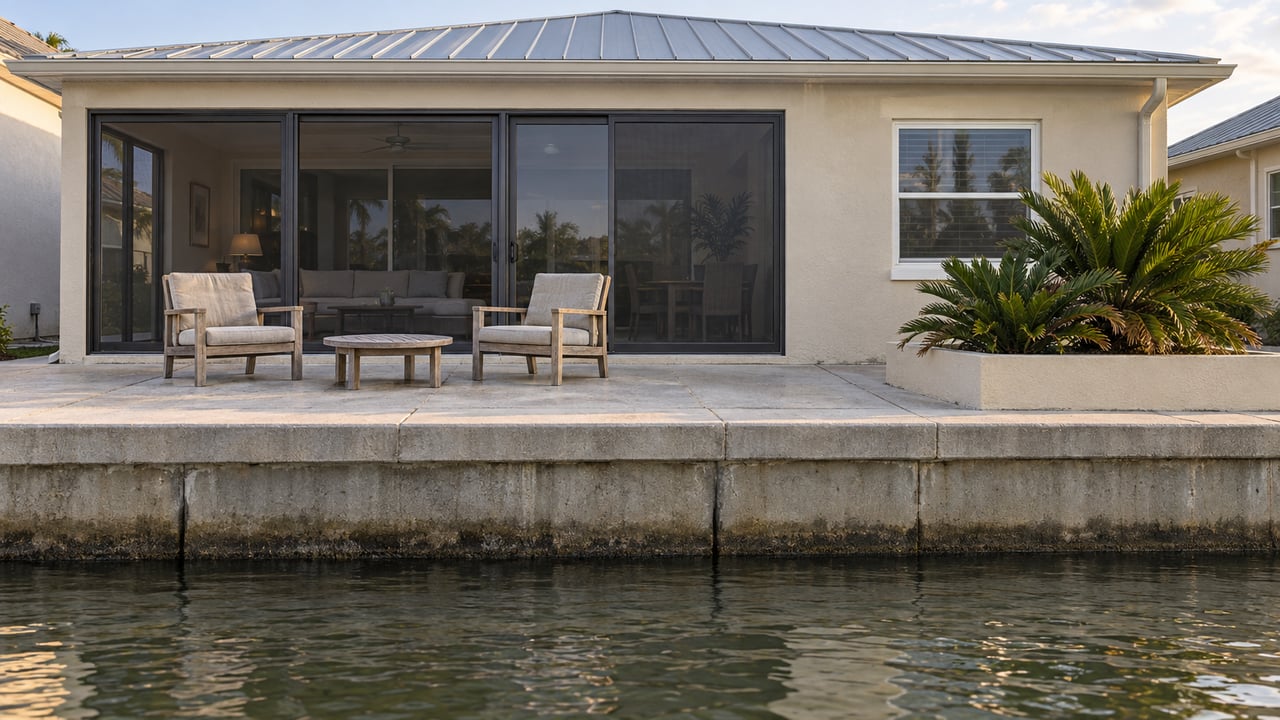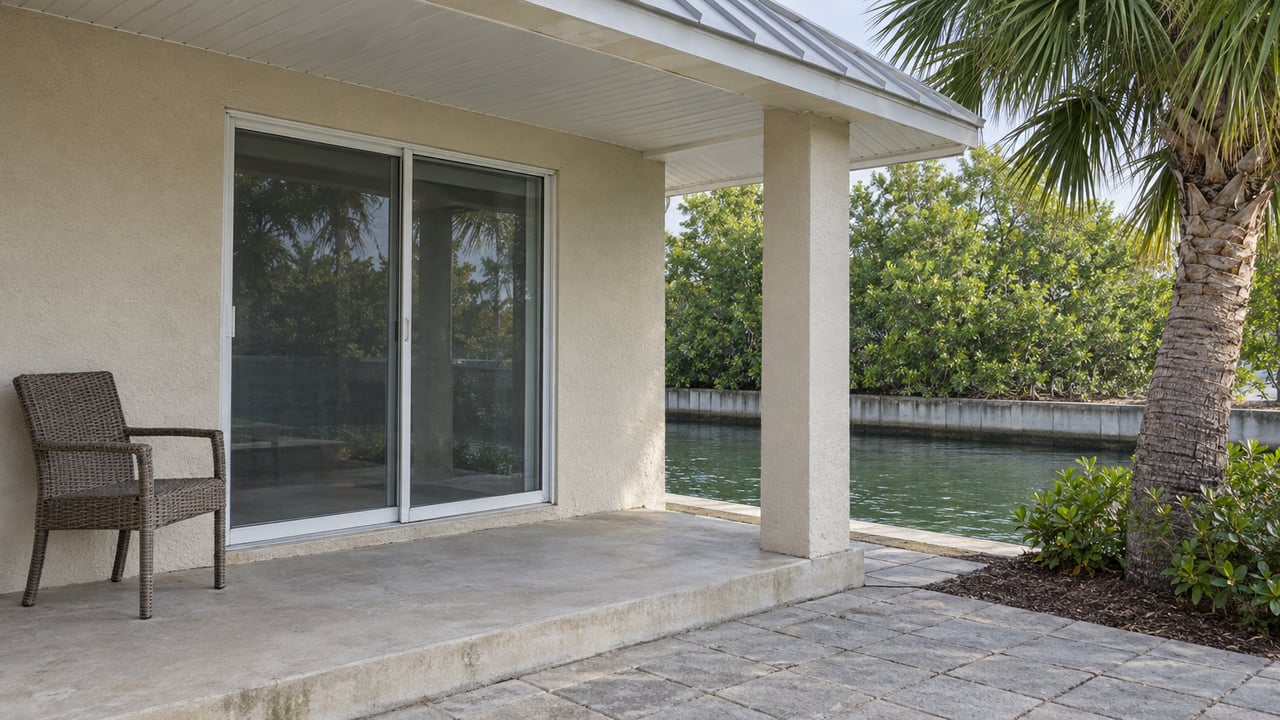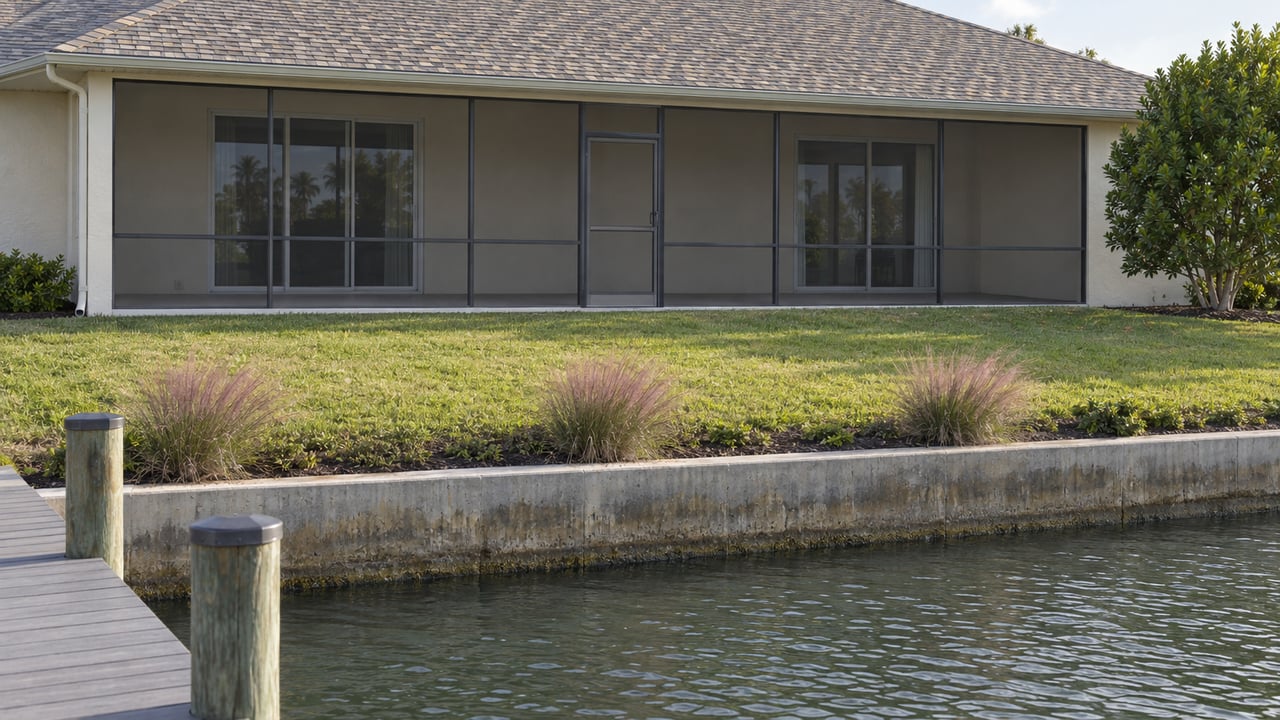
Looking at a Weeki Wachee waterfront home and wondering if it could pull double duty as your getaway and a short-term rental? That question is more common than ever, especially in a market where the water is the main attraction and buyers want both lifestyle value and income potential. If you are considering a purchase in this part of Hernando County, it helps to understand what drives guest demand, what local rules can affect your plans, and which property details matter most before you buy. Let’s dive in.
Why Weeki Wachee draws short-term guests
Weeki Wachee is built around water-based recreation. Florida State Parks describes Weeki Wachee Springs State Park as a long-running visitor destination with mermaid shows, boat tours, paddling, swimming, Buccaneer Bay, and a canoe and kayak launch.
That matters because short-term rental demand usually follows the local experience. In Weeki Wachee, that experience is less about urban nightlife and more about river days, paddling, boating, wildlife viewing, and easy access to the outdoors.
The river system also adds to the area’s appeal. The Southwest Florida Water Management District says Weeki Wachee is a first-magnitude spring system, with the river running about 7.5 miles to the Gulf, and the lower section includes canals serving riverfront homes and businesses.
For an investor or second-home buyer, that creates a pretty clear guest profile. You are likely thinking about visitors who want a weekend on the water, families planning a springs trip, paddlers bringing gear, anglers chasing Gulf access, or seasonal users looking for a coastal base.
Winter can bring another draw. SWFWMD notes that manatees are often found in Hospital Hole during colder months, which adds a wildlife angle that can strengthen seasonal interest in the area.
What makes a waterfront home more rentable
Not every waterfront home offers the same short-term rental appeal. In Weeki Wachee, the homes that stand out are usually the ones that make the water experience simple and obvious from the moment a guest arrives.
A strong setup often includes practical features like:
- Dock or launch access
- Space for kayaks or paddleboards
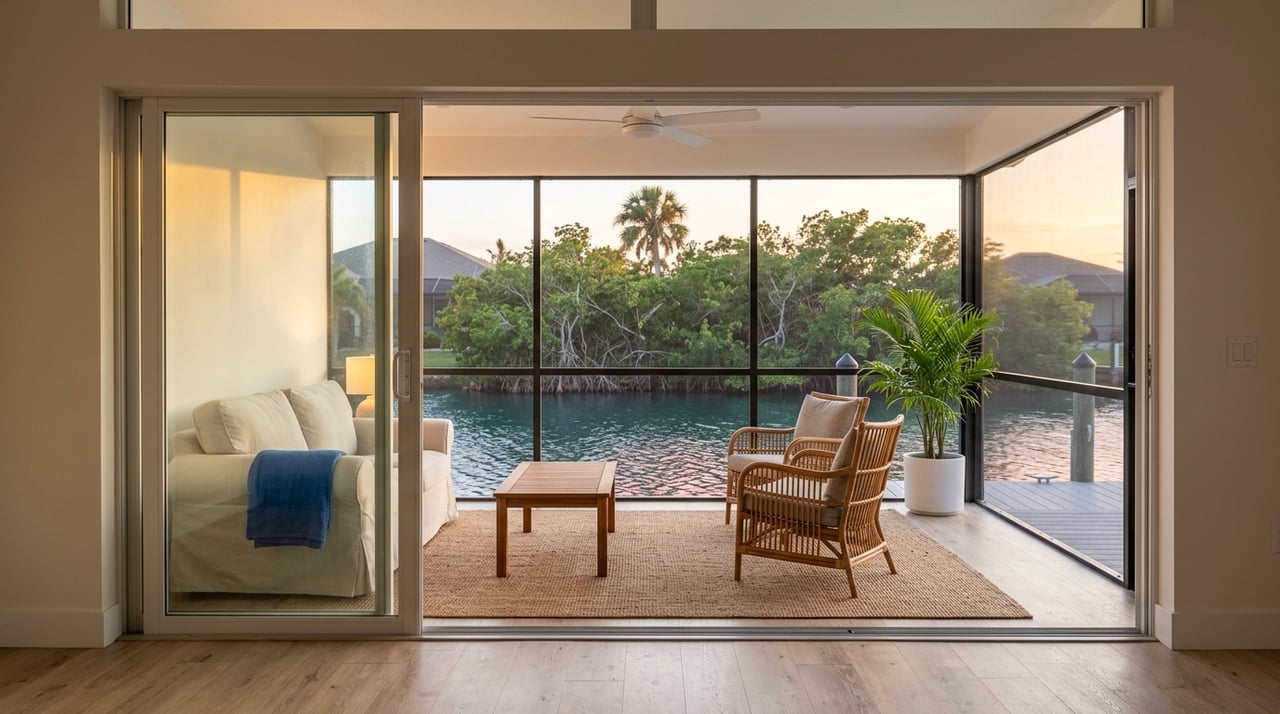
- Outdoor seating with a water view
- Easy parking for guests
- Straightforward sleeping arrangements
- Clear proximity to the springs, river, or Gulf outings
Those features fit the way visitors use the area. Guests are often choosing Weeki Wachee for a casual, active stay, so the home needs to support that kind of trip without confusion.
This is also where waterfront expertise matters. A home may look great in photos, but rental appeal can change quickly if the dock setup is awkward, access is limited, or the water use story is not as strong as it first appears.
Be precise about water access
In waterfront real estate, details matter. That is especially true in Weeki Wachee, where buyers can easily assume a property offers one kind of access when it really offers another.
The Florida Fish and Wildlife Conservation Commission says the 5.61-mile Weeki Wachee Springs Protection Zone prohibits beaching, mooring, anchoring, and grounding vessels from the spring boil to the Rogers Park Boat Ramp, while still allowing public access. For you as an owner, that means any future rental marketing needs to be accurate about what guests can and cannot do on the water.
A listing should not simply say “river access” and leave it there. You want to understand whether the property’s dock, launch, canal position, and boating use actually match the guest experience you plan to offer.
That is one reason buyers of waterfront investment property benefit from broker guidance that goes beyond square footage and bedroom count. In this market, canal layout, dock usability, and Gulf access can directly affect both enjoyment and rental positioning.
The short-term rental rules to verify first
Before you count on rental income, confirm the legal and tax framework. In Florida, the Department of Business and Professional Regulation defines a transient public lodging establishment as a unit rented more than three times in a calendar year for periods of less than 30 consecutive days, or any unit held out as regularly rented for periods of less than 30 days.
DBPR also licenses vacation rentals and says each rental unit address must be submitted through the license holder’s online services account. If you plan to operate a short-term rental, that is not a step to leave until after closing.
At the state level, Florida law limits how local governments can regulate vacation rentals in some areas, but that does not mean you should assume a simple yes-or-no answer at the property level. The research shows Hernando County’s February 3, 2026 land-use agenda included discussion of possible short-term rental use regulations that could require Certificates of Use.
That means your due diligence needs to be current. Verify the county’s position before you close, and verify it again before you list the home for guests.
Understand taxes before you buy
Taxes are a major part of short-term rental planning in Hernando County. The county says owners of accommodations rented for six months or less must collect a 5% Tourist Development Tax on the gross rental amount and remit it monthly.
The reporting deadline is also important. Hernando County says reporting is due on the first day of the next month and becomes delinquent after the 20th.
The taxable amount is broader than many buyers expect. According to Hernando County, cleaning fees, pet fees, and extra-guest fees are part of taxable rental charges.
The Florida Department of Revenue says transient rentals are also subject to state sales tax, discretionary surtax, and local transient rental taxes. Based on the county’s published sales-and-use-tax layer of 6.5%, the combined county and state tax load on rental charges is 11.5% before any platform-specific handling.
If you plan to use Airbnb or VRBO, do not assume the platform removes your responsibility. Hernando County says those platforms may collect and remit on an owner’s behalf, but the owner is still responsible for registering and reporting.
Good bookkeeping is not optional here. You need a system that tracks gross rents, fees, monthly filings, and records retention, because the county says records must be kept for five years.
Flood risk is part of the math
If you are shopping Weeki Wachee waterfront homes, flood exposure needs to be part of your investment analysis from day one. Hernando County says homeowners and renters insurance do not typically cover flood damage, and flood policies generally take 30 days to go into effect.
The county also notes that more than 20 percent of flood claims come from properties outside high-risk zones. That is a useful reminder not to rely on assumptions or casual opinions about flood exposure.
For official flood-zone determinations, Hernando County says the FEMA Flood Insurance Rate Map is the source to use. The county also applies its Flood Damage Prevention and Protection Ordinance together with the Florida Building Code in Special Flood Hazard Areas.
For you as a buyer, this affects more than insurance cost. Flood zone, elevation, construction standards, and the home’s loss history can all shape carrying costs and long-term ownership risk.
Waterfront maintenance is real
A Weeki Wachee waterfront property can be a great lifestyle asset, but it is not a low-maintenance asset. The same river system that attracts guests also creates upkeep responsibilities and environmental considerations.
SWFWMD says the Weeki Wachee system faces nitrate enrichment, sedimentation, possible reductions in historical flow, changing salinity, storm-event impacts, and recreation-related erosion and vegetation damage. The agency also notes the system is designated an Outstanding Florida Spring and Outstanding Florida Water.
That status highlights both the appeal and the need for careful use. If you plan to rent to guests, you need to think through shoreline care, dock condition, guest instructions, and how the property will hold up under repeated use.
This is one reason turnkey does not just mean updated finishes. In a waterfront short-term rental, turnkey also means the seawall, dock setup, outdoor areas, and water-facing features are practical and manageable.
Personal use plus rental income can work
For many buyers, the best fit is not a pure investment property. It is a waterfront home you can enjoy personally while also renting to guests during open dates.
That model can make sense in Weeki Wachee because the area supports weekend and seasonal water-oriented stays. But the success of that strategy depends on realistic planning, not just the idea of “offsetting costs.”
You need to look closely at:
- Current county rental requirements
- DBPR licensing obligations
- Tourist tax collection and monthly reporting
- Flood insurance cost and timing
- Property-specific water access and dock usability
- Ongoing maintenance for a waterfront home
- Whether the property’s layout works for guest turnover
There is also a property-tax angle worth noting. Hernando County says homestead exemption is not permitted on rental property, which can matter if you are thinking about a mixed personal-use and guest-stay ownership plan.
How to evaluate a Weeki Wachee STR opportunity
If you are comparing homes, avoid making the decision on views alone. A smart purchase comes down to how well the property supports both compliance and guest experience.
Start with the basics of waterfront utility. Look at the dock, the shoreline setup, parking, storage for gear, outdoor gathering space, and how easy it is for guests to enjoy the water without a complicated learning curve.
Then look at the ownership side. Review flood-zone information, insurance options, tax obligations, and any county requirements that could affect short-term rental use.
Finally, look at the story the property tells. The homes with the strongest short-term rental potential usually make the Weeki Wachee lifestyle feel easy, clear, and memorable from the first photo to the first stay.
If you are buying in a waterfront market like this, local boating and canal knowledge can save you from expensive assumptions. That is especially true when your plan depends on access, flood considerations, and the fine details that do not always show up in a standard home search.
If you want help sorting through Weeki Wachee waterfront homes with short-term rental potential, start with a broker who understands both the real estate side and the water-access side. Greg Klesius can help you evaluate the property details that matter before you buy.
FAQs
What makes a Weeki Wachee waterfront home attractive as a short-term rental?
- The area’s appeal is tied to water-based recreation, including springs visits, paddling, boating, swimming, wildlife viewing, and Gulf outings, so homes that make that experience easy tend to have the clearest guest appeal.
What taxes apply to short-term rentals in Hernando County?
- Hernando County says rentals of six months or less must collect a 5% Tourist Development Tax, and the published county and state sales-and-use-tax layer brings the combined tax load on rental charges to 11.5% before platform-specific handling.
What short-term rental rules should buyers verify in Weeki Wachee?
- You should verify DBPR vacation-rental licensing requirements and confirm the current Hernando County position on short-term rental use, since county-level regulations have been under discussion.
What flood issues matter for Weeki Wachee waterfront rentals?
- Flood insurance, flood-zone determination, policy timing, and property-specific exposure all matter because standard homeowners insurance typically does not cover flood damage and waterfront homes should be treated as flood-exposed assets.
Can Airbnb or VRBO handle Hernando County rental taxes for owners?
- The county says those platforms may collect and remit on an owner’s behalf, but that does not remove the owner’s responsibility to register, report, and maintain records.
Does homestead exemption apply to a Weeki Wachee rental property?
- Hernando County says homestead exemption is not permitted on rental property, which is important if you are considering a home for both personal use and guest stays.