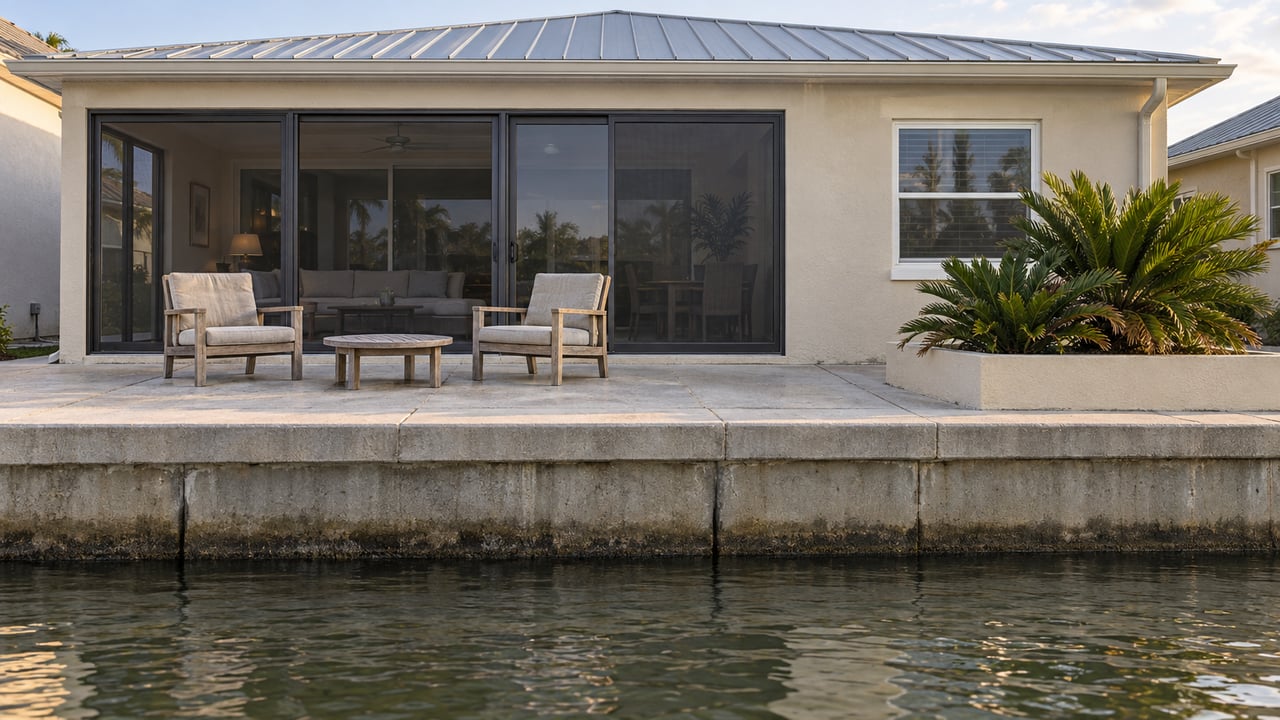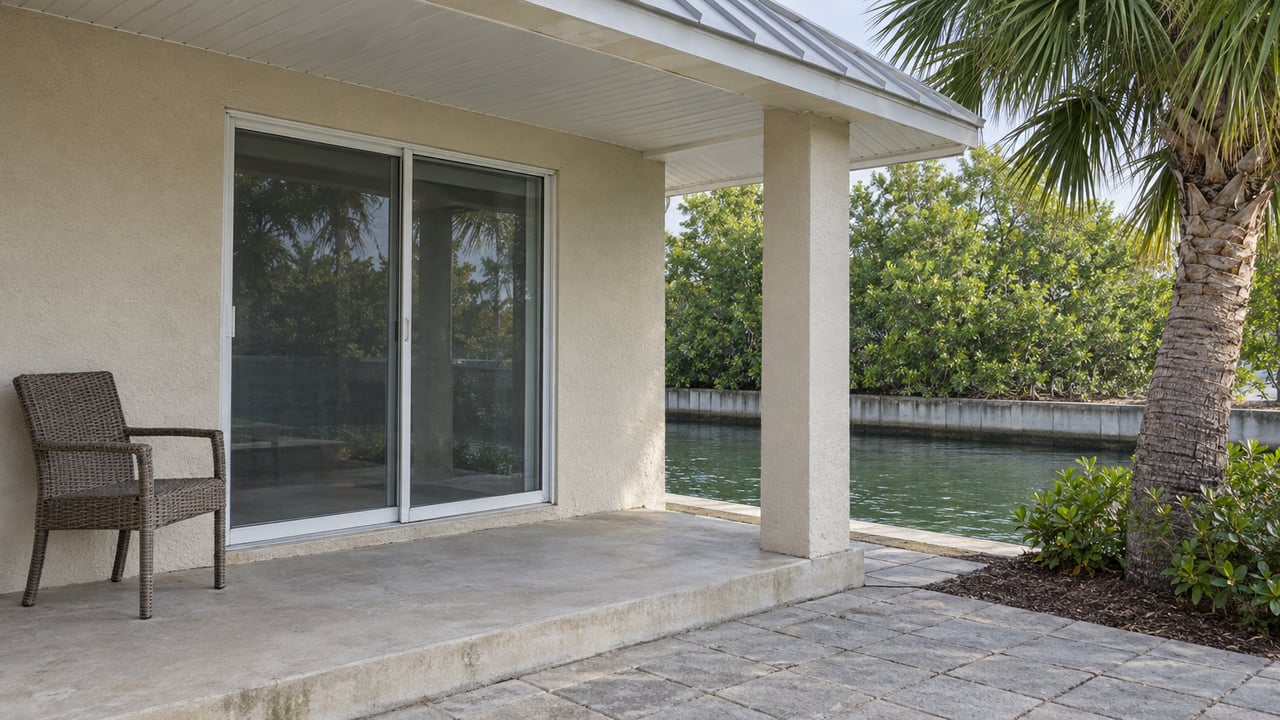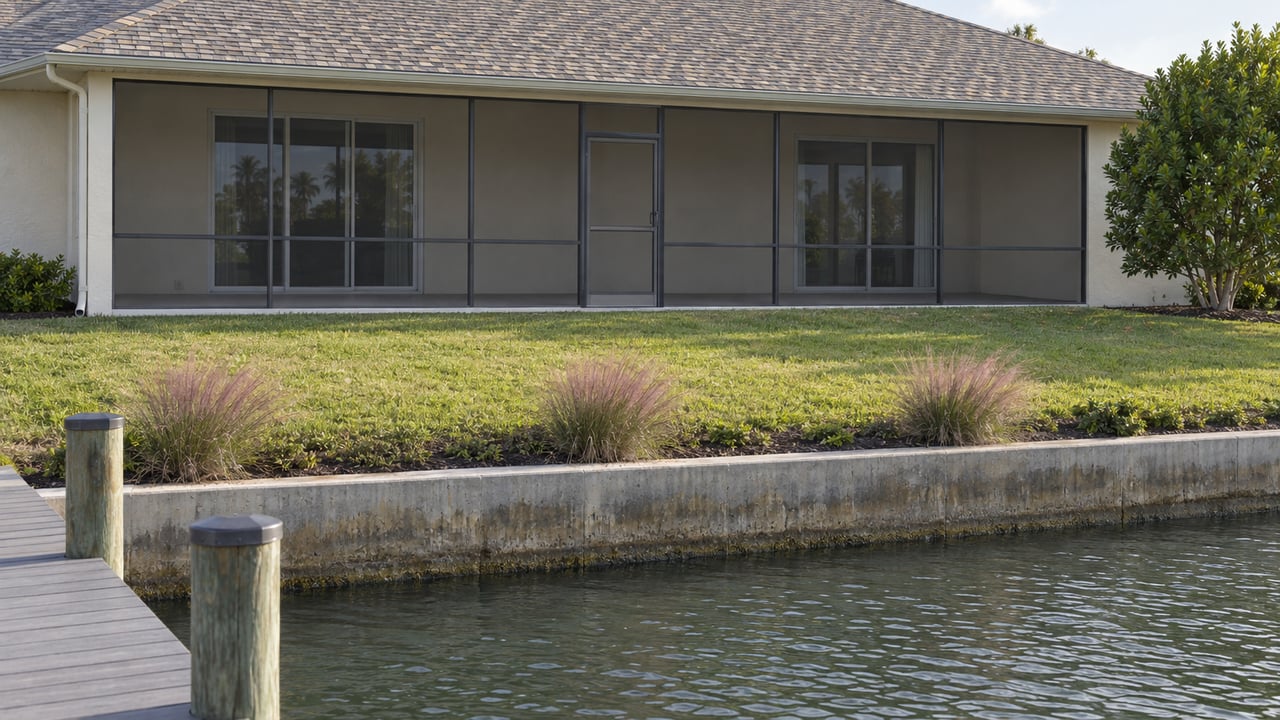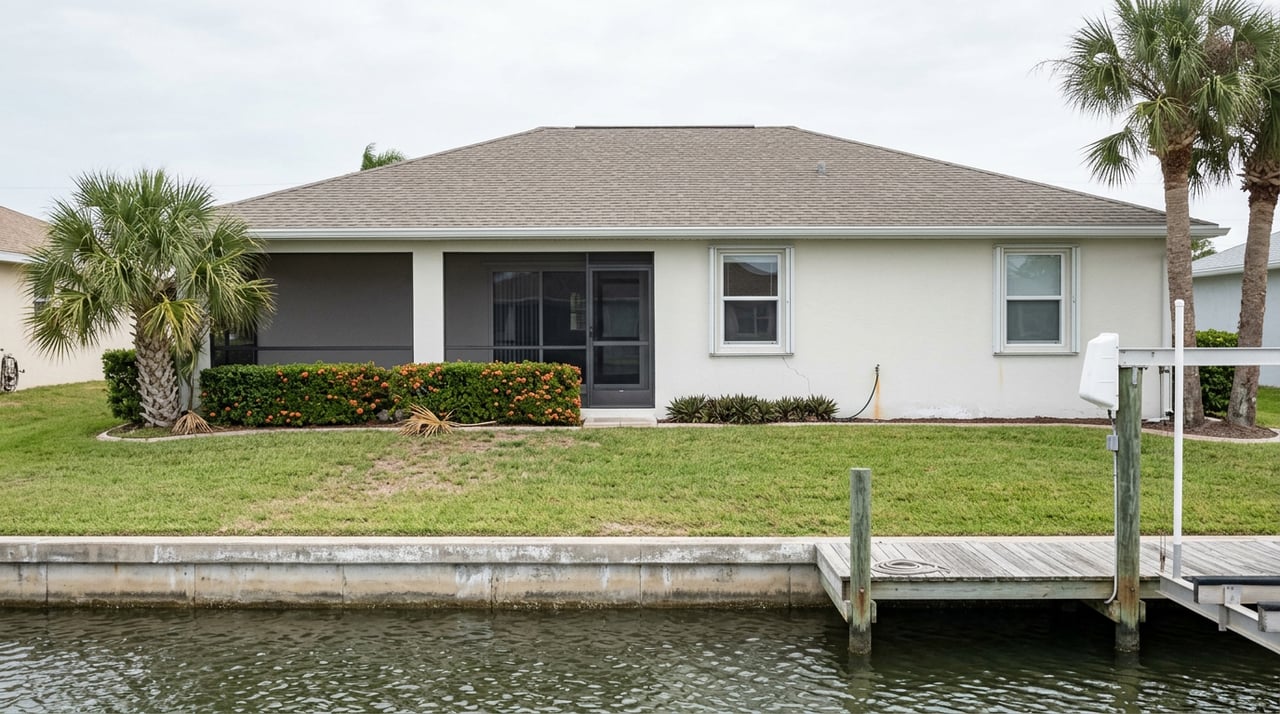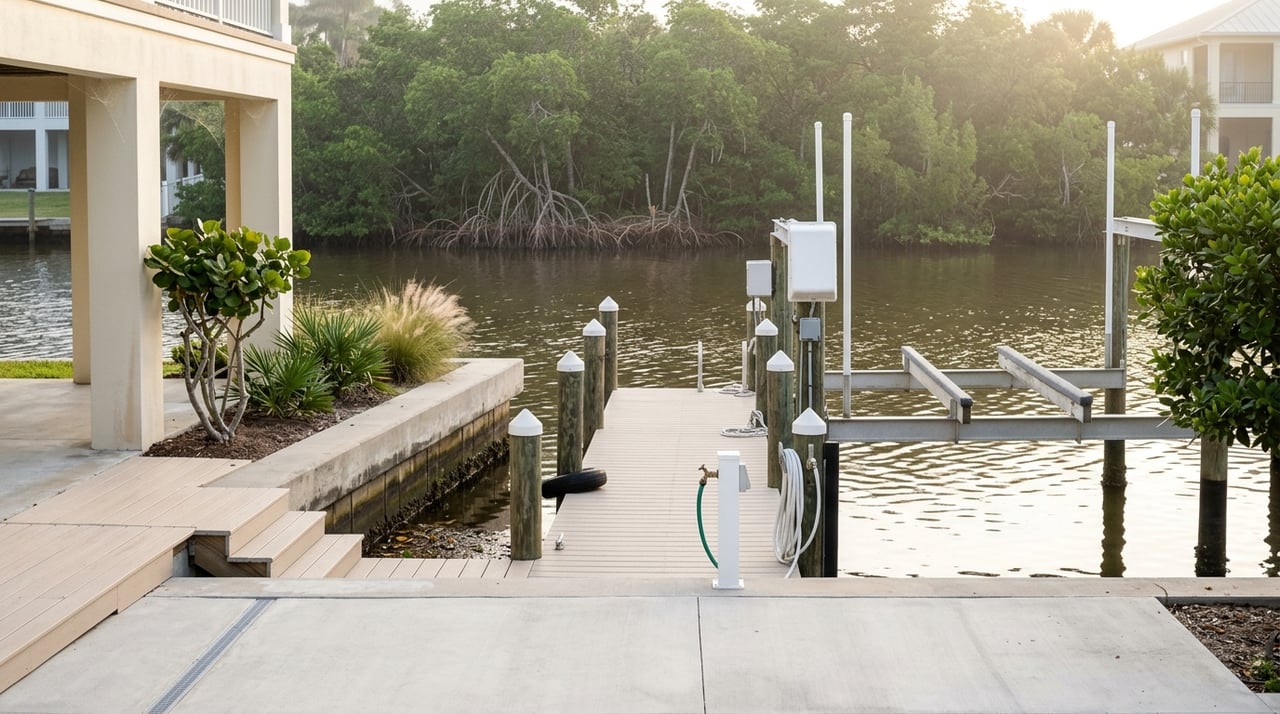
If you picture waterfront living as quiet water behind the house and total privacy, the Weeki Wachee River may surprise you. This is a clear, spring-fed river with a strong natural current, abundant wildlife, and a steady mix of paddlers, swimmers, boaters, and visitors, especially in the warmer months. If you are thinking about buying along the river, it helps to understand both the beauty and the rules that come with it. Let’s dive in.
Weeki Wachee River at a Glance
The Weeki Wachee River offers a very different experience from a typical canal-front or lakefront home. According to Florida State Parks, the springhead feeds a 12-mile river system known for its clear water, cool temperature, and natural scenery.
That setting shapes daily life on the river. You are not just buying a view. You are buying into a living spring system where current, wildlife, recreation, and environmental protections all play a role.
What the River Feels Like Day to Day
One of the biggest draws here is the atmosphere. The river is spring-fed and first magnitude, which gives it a crisp, clear look and a cooler feel than many other waterfront settings in Florida.
You also notice that the river changes as you move downstream. SWFWMD notes distinct reaches, including the spring run near the state park, a meandering middle section, and a tidally influenced lower river. For you as a buyer, that means the experience can vary depending on exactly where a property sits.
Wildlife is part of normal life here. State and county sources describe manatees, otters, fish, birds, turtles, and alligators as common parts of the river environment, so the natural setting is not a backdrop. It is part of your everyday waterfront experience.
Expect an Active Recreation Corridor
A lot of buyers ask whether the river feels peaceful or busy. The honest answer is both, depending on the season, the day, and the stretch of river.
The Weeki Wachee River is best viewed as a shared recreation corridor. In a 2025 SWFWMD river survey, the most commonly reported activities were kayaking or canoeing at 74%, swimming or snorkeling at 54%, paddleboarding at 25%, motorized boating at 19%, fishing at 14%, tubing at 9%, and rope swings at 7%.
That activity mix matters if you want waterfront property here. Human-powered recreation dominates much of the river experience, but motorized boats are still part of the traffic pattern, and shoreline use is a regular part of what happens on busy days.
Warm Months Are the Busiest
Seasonality is a big part of waterfront life on the Weeki Wachee River. The river is used year-round, but the warmer months bring the most visitor traffic and the most visible activity.
Weeki Wachee Springs State Park notes that Buccaneer Bay operates seasonally, generally on weekends from April into early June, daily from June through August, and on weekends through September. In practical terms, that means spring and summer usually feel more energetic, while cooler periods may feel calmer depending on weather and water conditions.
If you are buying for a full-time residence, second home, or investment, this seasonal swing is worth understanding up front. Your riverfront view may feel very different on a quiet weekday morning in winter than on a sunny summer weekend.
Waterfront Rules You Need to Know
One of the most important parts of buying here is understanding that this is a protected river corridor. Since 2023, the Weeki Wachee Springs Protection Zone has covered 5.61 miles of river from Rogers Park to the headsprings.
Within that zone, vessel operators may not anchor, moor, beach, or ground vessels. The county also explains that swimming, snorkeling, and floating are still allowed, and that the protection zone is designed to protect the river’s ecology without removing public access.
That creates a unique balance for homeowners. The water remains active and public, but the shoreline is closely managed to reduce environmental damage.
Can You Keep a Boat at Your Property?
Yes, private owners may dock personal vessels adjacent to their property. Hernando County specifically states that the protection-zone restrictions do not apply to docking personal vessels next to private property, which is an important point for buyers who want direct water access from home.
At the same time, this is not a place where large-scale waterfront infrastructure is the norm. The county’s marine-construction ordinance references features like floating docks, fixed docks, boat lifts, marginal docks, seawalls, terminal platforms, and mooring pilings, with limits on those structures within the river corridor.
In other words, residential river setups here are generally compact and purpose-built. If you are evaluating a property, the dock, lift, seawall, and layout should be reviewed carefully to understand how the setup matches your boating plans.
Public Access Shapes Daily Traffic
A key part of river life is the presence of public launch and recreation points. Those access points affect how much paddling, boating, and swimming activity you are likely to see near different sections of the river.
Rogers Park includes a boat ramp, canoe and kayak launch, swimming area, showers, picnic areas, seasonal lifeguards, and 24/7 access. Weeki Wachee Springs State Park also offers a canoe and kayak launch, boat tours, and kayak rentals.
For buyers, that means location matters beyond the home itself. Two waterfront properties on the same river can feel very different based on proximity to launch points, common stopping areas, and heavier recreation zones.
The Lifestyle Is Beautiful but Managed
The best way to think about Weeki Wachee waterfront living is this: it is beautiful, but it is not carefree. The river’s natural appeal is exactly why it is protected, monitored, and regulated.
SWFWMD’s carrying-capacity study found a link between recreational activity and negative environmental impacts. Official management materials also note that erosion, propellers, and unauthorized swimming or wading can damage submerged aquatic vegetation.
That matters for homeowners because river living here comes with shared responsibility. You are enjoying a rare natural system, and the rules are part of what helps preserve it.
Homeowner Upkeep and Planning Considerations
If you are considering a purchase, there are a few practical issues that deserve attention before closing. On the Weeki Wachee River, ownership decisions are not only about views and dock space.
Flood Zone Review
Flood planning should be part of your due diligence. Hernando County’s floodplain guidance states that no home is completely safe from flooding, and that standard homeowners or renters insurance usually does not cover flood damage.
The county also notes that the FEMA Flood Insurance Rate Map is the official source for flood-zone information. For buyers, that makes flood-zone status and flood insurance costs key items to verify early.
Sewer and Septic Questions
Water quality protection is an ongoing local issue, not a one-time project. SWFWMD says it collects water samples quarterly from spring vents and along the river, while Hernando County has a Septic to Sewer Conversion Plan tied to state remediation work for Weeki Wachee Springs.
The county has also launched a septic upgrade incentive program in the Priority Focus Area. If you are buying near the springshed, it is smart to verify whether a property is connected to sewer, still on septic, or located in an area affected by current or future improvement efforts.
Wildlife Awareness
Living on this river means sharing space with wildlife. Manatees are a well-known part of the local environment, and FWC notes that they overwinter in warm-water sites above 68 degrees and disperse into rivers and canals as temperatures rise.
That is one reason spring boating awareness matters. If you keep a boat at your property or spend time on the water often, slowing down and watching carefully for wildlife is just part of responsible ownership here.
What Buyers Should Verify Before Closing
If you are serious about buying on the Weeki Wachee River, it helps to move beyond the view and ask practical questions early.
Here are some of the most important items to confirm:
- Flood zone designation and estimated flood insurance needs
- Existing dock, lift, seawall, or shoreline configuration
- Whether the property is on sewer or septic
- Whether the property is in or near sewer or septic improvement areas
- How close the home is to public access points and heavier recreation stretches
- How the river section feels during both peak season and quieter months
For waterfront buyers, these details can affect both day-to-day enjoyment and long-term ownership costs.
Is Weeki Wachee River Living Right for You?
If you want a crystal-clear spring river, frequent wildlife sightings, and direct connection to one of Hernando County’s most distinctive waterways, Weeki Wachee can be a special place to own waterfront property. If you want total solitude, minimal public activity, or a loosely regulated shoreline, it may feel different from what you expected.
That is why local guidance matters. Buying on a spring-fed river is not just about square footage and water frontage. It is about understanding the rules, the traffic patterns, the dock setup, the flood questions, and how the river actually functions day to day.
If you are exploring waterfront homes in Weeki Wachee and want practical guidance on docks, flood considerations, and how a specific property fits your boating or lifestyle goals, Greg Klesius can help you sort through the details with a local waterfront perspective.
FAQs
What is waterfront living like on the Weeki Wachee River?
- Waterfront living on the Weeki Wachee River is centered on a clear, spring-fed river environment with wildlife, public recreation, seasonal visitor traffic, and shoreline protection rules that shape daily life.
Can homeowners dock a boat on the Weeki Wachee River?
- Yes, Hernando County states that private owners may dock personal vessels adjacent to their property, even within the broader protection-zone area.
Can you still swim or float on the Weeki Wachee River?
- Yes, Hernando County says swimming, snorkeling, and floating are still allowed, even though vessel anchoring, mooring, beaching, and grounding are restricted in the protection zone.
Is the Weeki Wachee River busy year-round?
- The river is active year-round, but the warm months are generally the busiest, with heavier recreational use and seasonal activity tied to Weeki Wachee Springs State Park and Buccaneer Bay.
What should buyers verify before buying a Weeki Wachee River home?
- Buyers should verify flood-zone status, possible flood insurance needs, dock and seawall setup, and whether the property is affected by sewer or septic improvement planning in the springshed area.