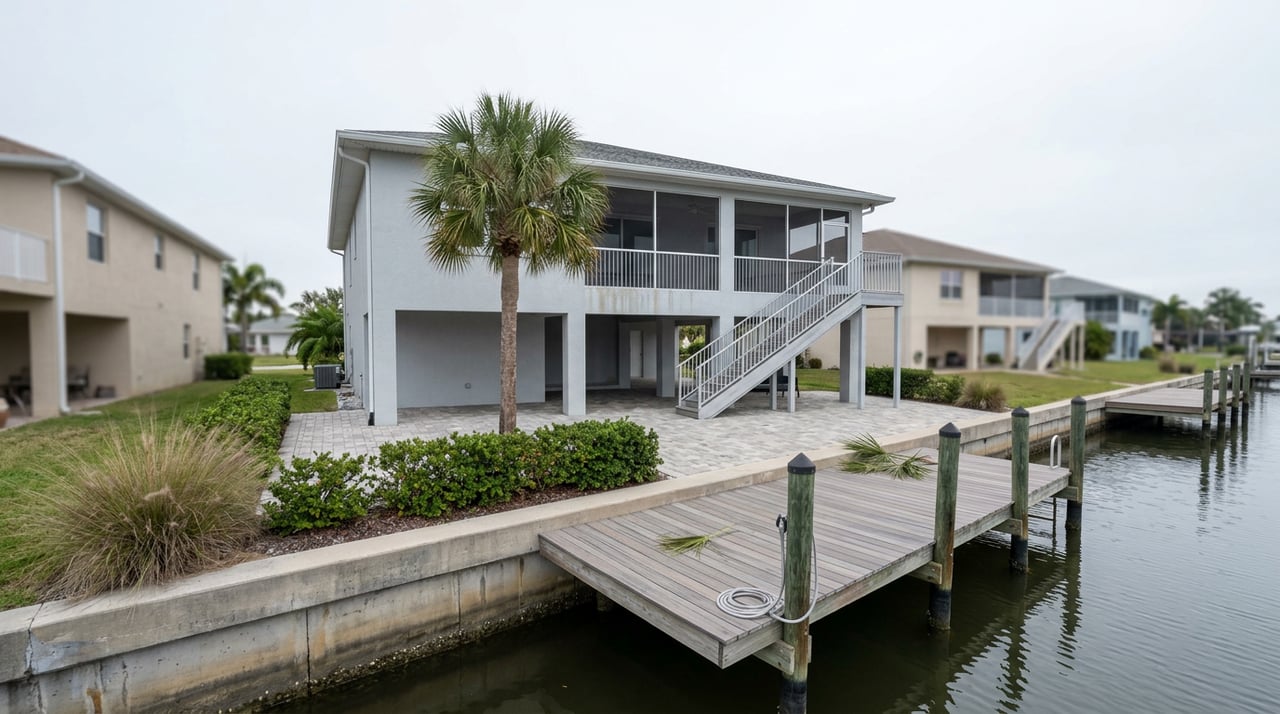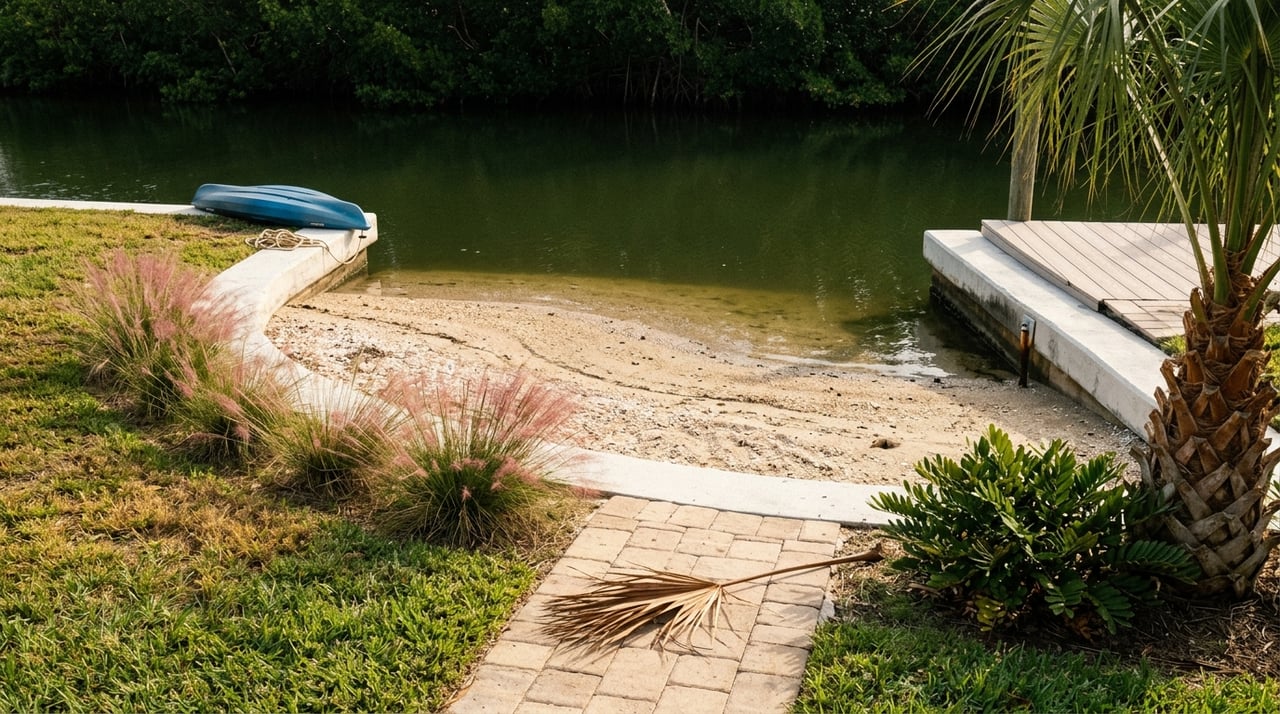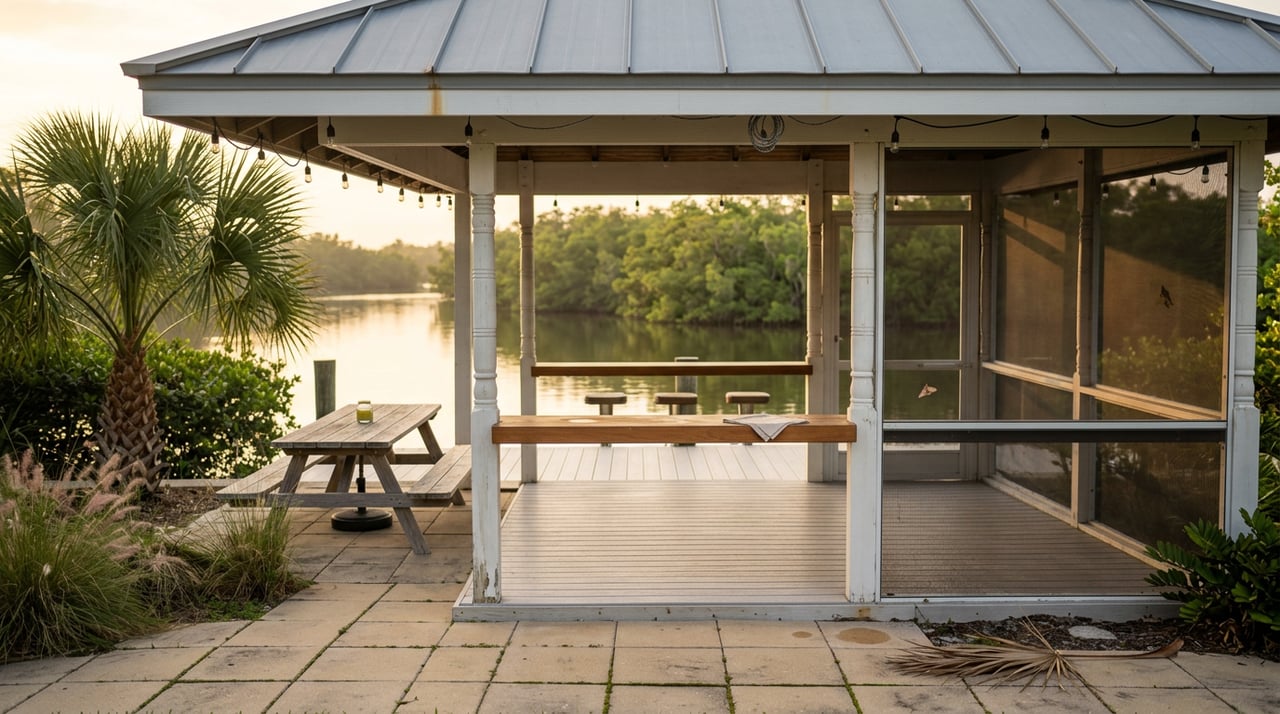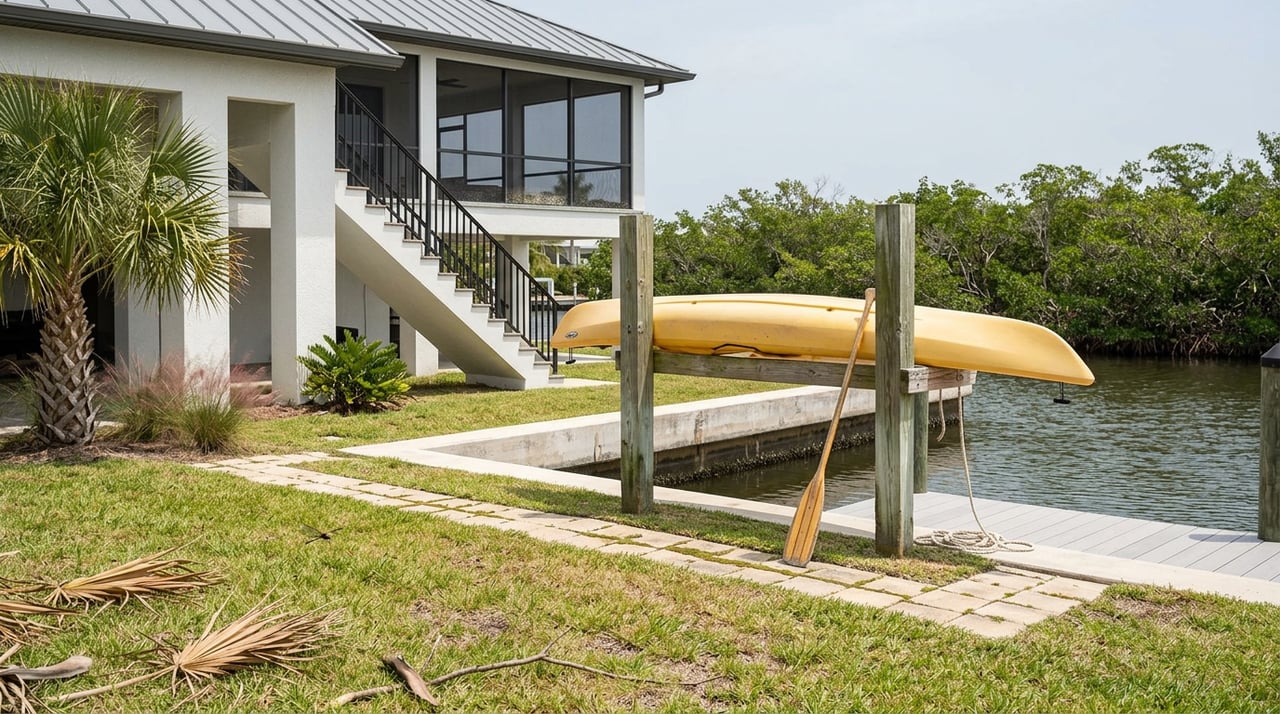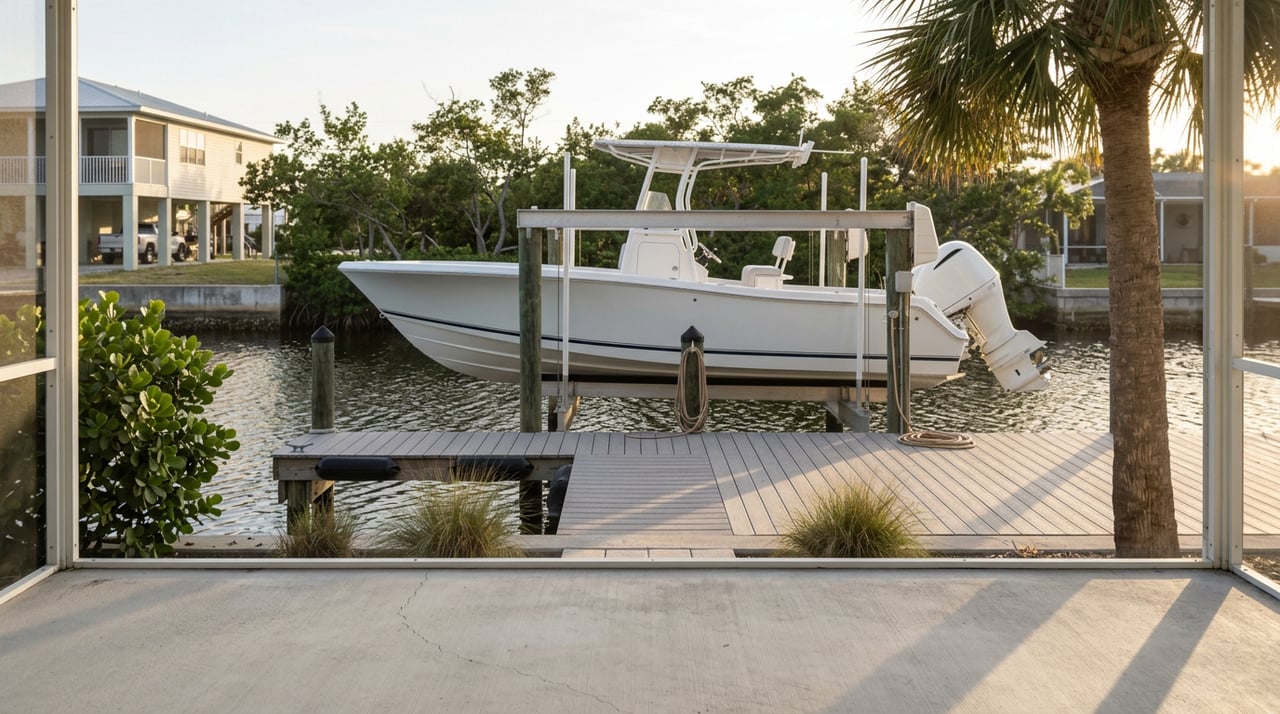
If you are shopping for a waterfront home in Hernando Beach, the right boat is the key to the lifestyle you want. The catch is that not every canal fits every hull. Depths, bridge clearances, turning room, and even community lifts can all limit what you can run from your dock. In this guide, you will learn how to size your boat to 34607 canals with simple draft math, air‑draft checks, and a buyer checklist you can use on any showing. Let’s dive in.
Know your route to the Gulf
Before you fall in love with a dock, map your water route. Hernando Beach sits on Florida’s Nature Coast and most boats exit through the local approach near Minnow Creek. You can review the broader approach on NOAA Chart 11409 for Anclote Keys to Crystal River. Local captains stress staying in the marked line when you enter via the Hernando Beach and Minnow Creek Inlet.
The main public channel here was dredged in the early 2010s. Local coverage cited an approximate 6‑foot depth after that project, which helped low‑tide access for many boats. See the background on that dredge work in this Bay News 9 report. Treat those numbers as historical. Shoaling changes, and not all neighborhood canals share the same depth. For the latest aids to navigation, public ramp status, and local waterway notices, check with Hernando County Waterways.
Draft and air‑draft: what really matters
Two measurements decide if your boat and canal are a match:
- Draft: the distance from the waterline to the lowest underwater point. Think prop or keel.
- Air‑draft: the height from the waterline to the highest fixed point. Think hardtop, arch, or mast.
Hernando Beach canals and flats reward shallow boats. Here is a practical view by type:
Shallow skiffs and pontoons
Flats skiffs and light bay skiffs often draft well under 1 foot with the motor trimmed up. Many pontoons float in 8 to 24 inches depending on load. These hulls shine in shallower private canals and on the flats outside the channel, but confirm beam vs. slip width at the dock.
Small to mid center consoles
Many center consoles and bay boats in the 18 to 26 foot range draw about 12 to 24 inches. They balance family use with inshore fishing and often work well if your canal holds enough water at low tide and you have room to turn.
Larger cruisers, sportfish, and keel sailboats
Once you draw 3 feet or more, the route narrows to deeper slips and the maintained channel. Tall air‑drafts also meet hard limits in some neighborhoods. You may find it easier to keep a bigger boat at a marina and use a shallow runabout at the house.
Bridges and community lifts you must clear
In the “middle” and “south” sections of Hernando Beach, indirect Gulf access routes include fixed bridges. One bridge discussed in public records, Companero Entra over the Seashell Canal, has been documented with a very low posted clearance, reported historically near 5 feet at mean low water. You can read the background and funding discussion in a Florida Senate document. Always verify today’s measured clearance, the datum used on the sign, and whether any modification has occurred since that report.
Some areas also use a communal boat lift to cross a land dike. If a listing mentions “indirect access” via a community lift, ask for the cradle width, weight rating, length limit, access rules, and a recent inspection. This local overview of Hernando Beach neighborhoods and lift logistics is a useful primer: Hernando Beach neighborhood access overview.
Tip: Bridge signs can reference Mean High Water or Mean Low Water. Match your air‑draft to the same datum used on the sign. If you need a refresher on tidal datums, see NOAA Tides & Currents.
Depth math that protects your prop
Hernando Beach’s tidal range is modest, often around 2 to 3 feet. That sounds forgiving until you scrape a prop at dead low. Use a simple formula to size your boat to a canal:
- Step 1: Find the canal’s depth at the proper datum. Ask for a recent sonar track or survey from the dock to the maintained channel. Confirm whether it is MLW or MLLW so you are comparing apples to apples. NOAA charts typically use MLLW. See the chart’s datum and local context on Chart 11409.
- Step 2: Start with your boat’s effective draft when loaded, engine down. Use the manufacturer spec as a baseline, then add for fuel, water, and gear.
- Step 3: Add a safety margin of at least 1 to 2 feet. This covers shoaling, squat, and mistakes.
Example: Your bay boat drafts 18 inches (1.5 feet) loaded. Add a 1.5‑foot buffer. You now want at least 3.0 feet at the canal’s low‑tide datum from your dock to the channel. If your canal only shows 2.2 feet at MLLW on recent soundings, plan to run at higher stages of tide or choose a shallower hull.
If you are unsure how a sign or chart is referenced, review NOAA’s guide to tide datums and ask the seller or HOA to state the datum in writing.
Turning room, slip width, and lift sizing
Depth is only half the fit. Many Hernando Beach cul‑de‑sacs are tight. Industry guidance for marinas recommends planning fairways and turning circles as multiples of your boat’s length. A helpful reference is the PIANC guide to marina design. It notes that fairways are often designed at about 1.5 to 1.75 times your boat’s length, and turning circles can range from roughly 1.3 to 3.5 times length depending on thrusters and conditions. Review the design ranges in the PIANC marina design guidance.
Practical rule: a 25‑foot boat may need 30 to 60 feet of clear canal width to turn without drama, depending on wind and current.
Dock and lift fit matter too:
- Slip width: give yourself beam plus 3 to 6 feet for fenders and safe approach.
- Lift capacity: rated load should exceed your boat’s wet weight by 20 to 30 percent. Include engines, fuel, water, and gear.
- Pontoon cradles: confirm tube spacing against the cradle’s centerlines. Many residential lifts use fixed cradle geometry.
If you are weighing a floating dock for a small boat or jetski versus a lift, a local installer can recommend a system and maintenance schedule for our brackish conditions. For examples of Hernando installations, see this local resource on floating docks in Hernando.
Permits and environmental rules
Any new or modified dock, lift, seawall, or dredge typically triggers permits at the county, state, and sometimes federal level. Joint Coastal Permit conditions can include manatee protections, seagrass avoidance, and work windows that affect timing and methods. Ask for the full permit history for existing structures, including any as‑built or after‑the‑fact authorizations. For a look at how these permits are structured, review this sample Florida DEP Joint Coastal Permit exhibit.
Buyer checklist: quick version
Use this short list when you tour a waterfront home in 34607. Ask for documents in writing.
- Canal name and who maintains it. Get the recorded maintenance agreement or county record.
- Charted depth and datum from the dock to the channel. Request recent sonar or survey at MLW or MLLW.
- Last dredge date and who pays next time. Look for a history of assessments.
- Full route to the Gulf. List every fixed bridge, each posted clearance, and the datum used.
- Community lift details if applicable. Cradle width, weight rating, LOA limit, access rules, and latest inspection.
- Dock, seawall, and lift permits. Ask for copies and any structural or marine inspection reports.
- Turning room at the lot. Measure canal width and compare to your turning circle needs.
- Lift vs. floating dock recommendation. Get a written fit and maintenance plan from a local installer.
- Flood zone and elevation certificate. Pull current quotes for flood and wind insurance during due diligence.
- Environmental constraints. Confirm manatee zones, seagrass, and any in‑water work windows on your route.
- Marina or ramp backup plan. If your canal is tide‑limited, identify slip or haul‑out alternatives.
- On‑water low‑tide trial. Test the run from dock to Gulf in the same or similar boat.
Buyer checklist: why each item matters
Maintenance responsibility
If a canal is privately maintained, owners may share future dredge costs. If it is a county‑maintained channel, maintenance may be on a public schedule. Confirm status with Hernando County Waterways.
Depth and the right datum
Charts use specific datums like MLLW. Private soundings may use MLW. You must compare your draft to depths on the same datum. Check the chart for datum on NOAA Chart 11409 and review NOAA’s datum guide if you need clarity.
Dredge history and plans
Historic dredging improved the main channel to about 6 feet after projects in 2012 to 2013, per Bay News 9. Private canals vary. Ask for the last dredge date, funding source, and any planned schedule.
Bridges and clearances
Some routes include very low fixed bridges. Companero Entra has been cited historically near 5 feet at mean low water in public records. See the Florida Senate summary. Verify today’s posted numbers and datum.
Community lift constraints
Lift access can be limited by width, weight, length, and HOA rules. Get the manufacturer, model, rated capacity, cradle dimensions, and a recent inspection. For general neighborhood context, review this Hernando Beach access overview.
Dock, seawall, and lift permits
Permitting history shows what was allowed and whether work met conditions like manatee protection. Ask for permits, as‑builts, and recent inspections. For permit structure examples, see the FDEP JCP exhibit.
Turning room and fairway width
Use PIANC guidelines to estimate maneuvering needs. Fairways often size at 1.5 to 1.75 times LOA, and turning circles can run 1.3 to 3.5 times LOA depending on your setup. Reference the PIANC guidance.
Lift vs. floating dock
Match the system to your hull and maintenance tolerance. A local installer can recommend cradle geometry for pontoons and outline lifecycle upkeep. See examples of floating docks in Hernando.
Flood zone and insurance
Elevation affects both risk and allowable work. Gather current quotes for flood and wind coverage during your inspection period.
Environmental constraints
Manatee zones, seagrass, and mangrove protections can limit speed, routes, and in‑water work windows. Ask for written confirmations tied to your route and property.
Marina or ramp backup
If your canal is shallow at low water or blocked by a low bridge, plan for a marina slip or public ramp for your bigger boat. Keep a shallow skiff at the house for quick rides.
On‑water low‑tide test
The best proof is a short run from the dock to the Gulf at low tide in the same or a similar boat. Confirm clearances and comfort before you close.
Put a local specialist on the bow
Two adjacent lots in Hernando Beach can have very different real‑world access. You deserve a guide who runs these canals, checks depth and bridge clearance in person, and knows how HOA rules, permits, and insurance affect value. If you are weighing boat options for a specific home, start with an on‑water route check and a dock and lift fit review with our local vendor team. Ready to see how your boat fits 34607 canals? Start with a canal tour with Greg Klesius.
FAQs
What depth do I need for a 22‑foot center console in Hernando Beach?
- Many 22‑foot bay or center consoles draw 12 to 24 inches, so plan for your loaded draft plus 1 to 2 feet of safety at the canal’s low‑tide datum, then verify with recent soundings.
Can I reach the Gulf at low tide through the Minnow Creek Inlet?
- The main channel was dredged years ago and reported near 6 feet after that work, but conditions change, so follow the marked line and check with Hernando County Waterways for current notices.
Which Hernando Beach neighborhoods have low bridge limits?
- Indirect access areas in the middle and south sections include fixed bridges such as Companero Entra, historically reported near 5 feet at mean low water, so confirm current posted clearances and datums.
How do I verify a canal’s maintenance and dredge plan before I buy?
- Ask for the recorded canal maintenance agreement, last dredge date, and any planned assessments, and cross‑check channel aids and notices with Hernando County Waterways.
What if my boat will not fit the community lift on my route?
- Keep a shallow‑draft boat at the home and secure a marina slip for the bigger vessel, or choose a different canal with direct access and adequate depth and bridge clearance for your boat.
Do I need a permit to add a boat lift to a 34607 home?
- Yes in most cases, since county, state, and sometimes federal approvals apply, with conditions that protect manatees and seagrass, so request existing permits and plan timelines early.