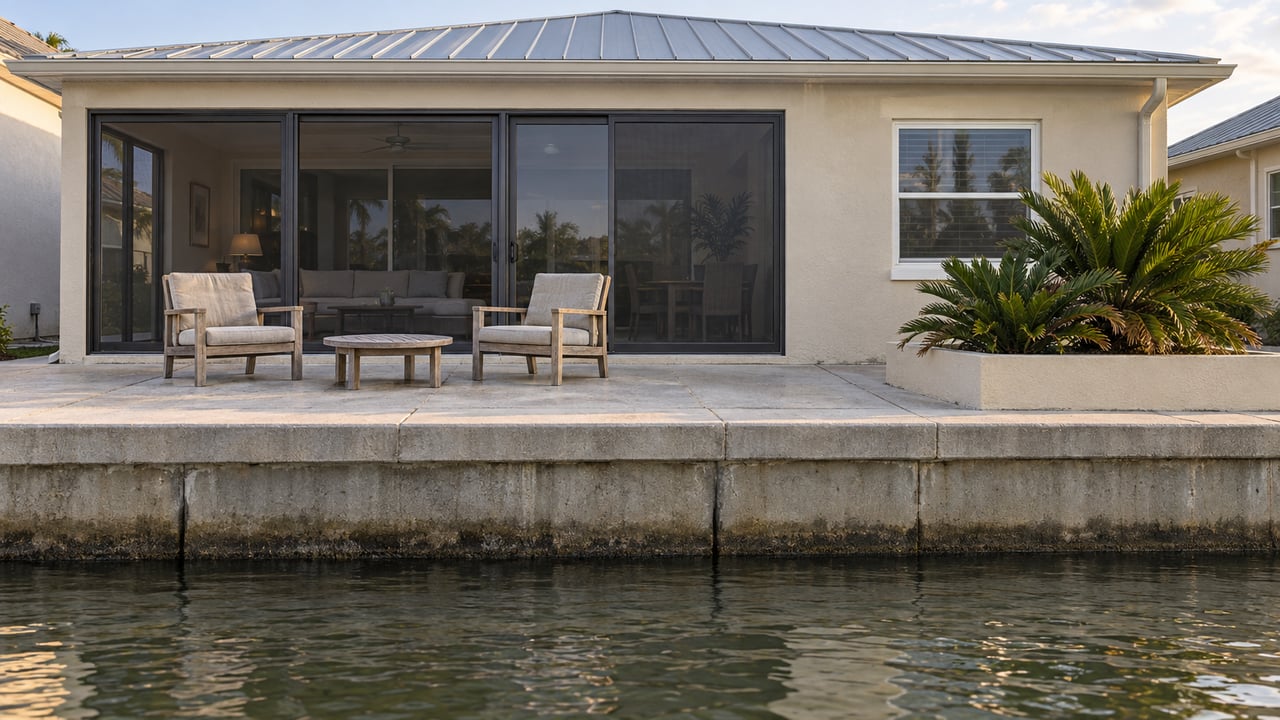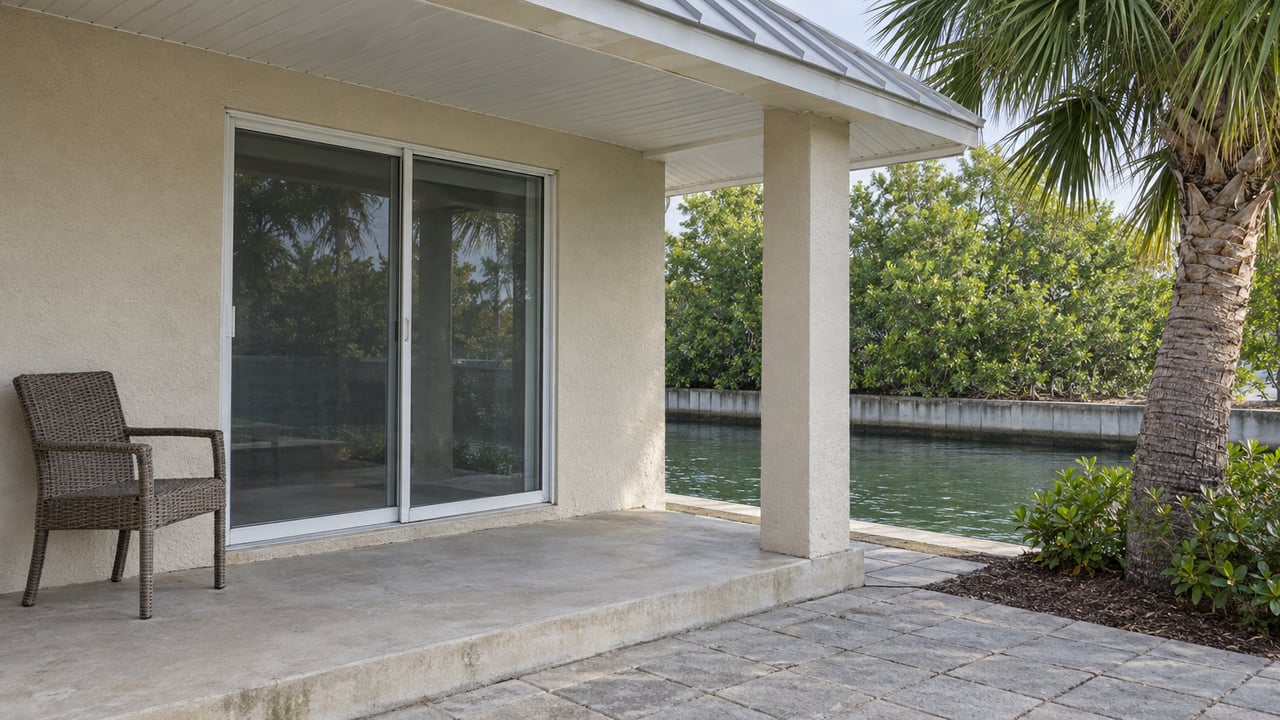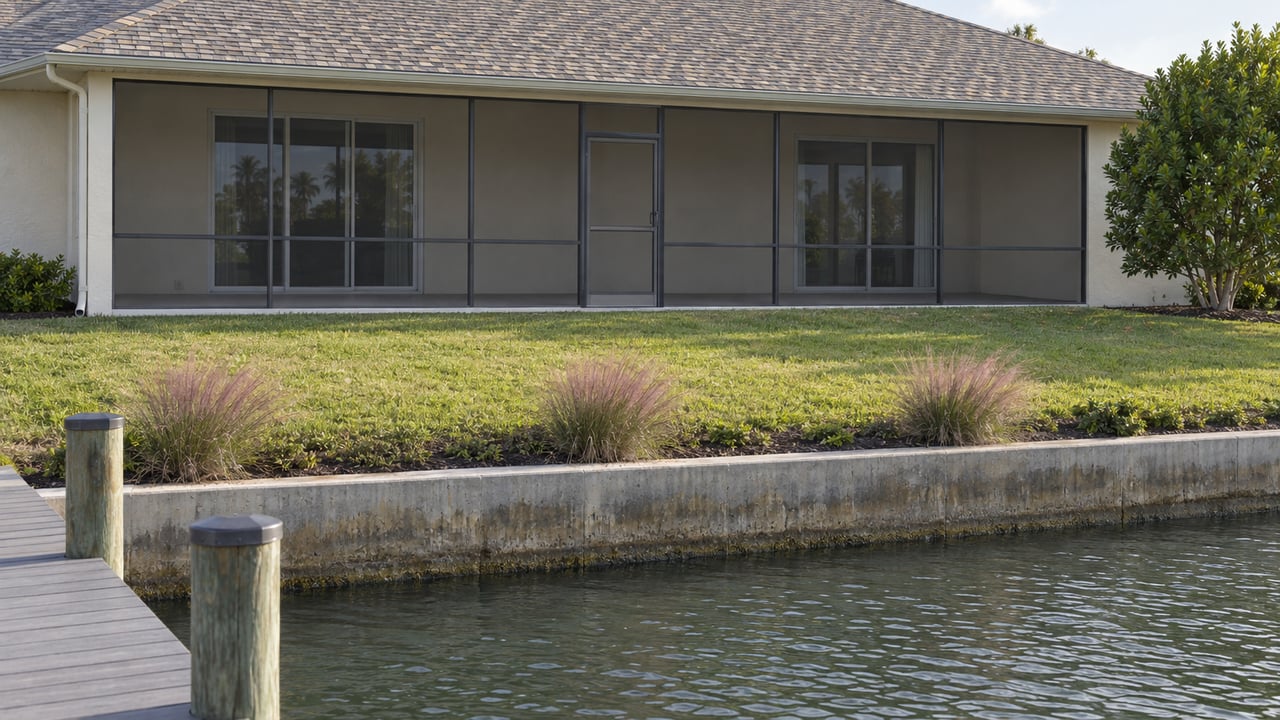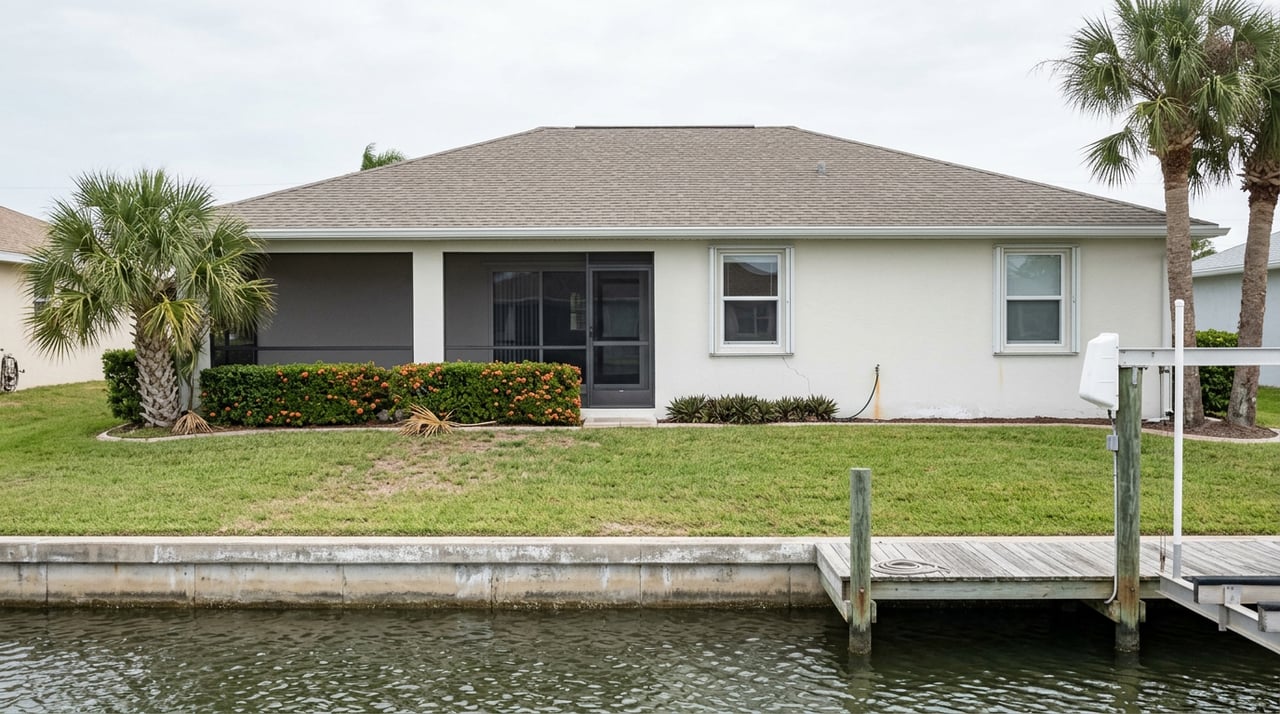
If you live on the Weeki Wachee or the Mud, you already know the river runs on two calendars. There is the calendar the tour boats keep, and there is the one your dock keeps. They line up for most of the year. They stop lining up on November 15.
That is the date Florida's official manatee season opens, and it is the date the water in front of your seawall stops behaving like a summer river.
The one date most locals still get wrong
Ask ten people on Shoal Line when manatee season starts and half will say "when it gets cold." The state is more specific. "Manatee Season" is a designated period in Florida from November 15th through March 31st that represents the time during which manatees migrate to their winter warm-water habitat across the state, because manatees cannot survive in water temperatures below 68 degrees for long periods and the Weeki Wachee spring stays a constant 72.
The confusing part, if you live here, is that the Weeki Wachee keeps a population of resident manatees that call the river and surrounding waterways home all year long. You have seen them in July. You know they are there. What changes on November 15 is not whether manatees are in the river. It is how many, where they concentrate, and who else is on the water because of them.
What the county actually did in August, and why it still matters this winter
The most consequential thing to happen to this river in the last twelve months was not on the water. It was in the commission chambers.
In late August 2025 the Hernando County Commission took up a proposal for a year-round slow-speed Manatee Protection Zone. The plan would require watercraft to operate at slow speed and with minimum wake from the Mud River and the Weeki Wachee Gardens area to the Bayport Park Pier. Carla Burrmann, the county's aquatic services manager, presented the item.
Here is what a lot of residents missed in the coverage. The commission did not approve the zone. They also did not kill it.
Commissioner Steve Champion made a motion to deny the ordinance, but it failed on a 3-2 roll call vote, with him and Commissioner Ryan Amsler voting yes and commissioners John Allocco, Brian Hawkins and Jerry Campbell voting no.
Commissioners declined to approve or reject the Manatee Protection Zone outright. Instead, they decided to survey riverfront homeowners before making any decision. Commissioner Hawkins, per the same reporting, has floated a middle path where the Mud River could seasonally be a slow-speed zone.
Translation for anyone with a lift on the Mud: your rules this winter are the same rules as last winter. FWC's existing seasonal zones still apply, and seasonal manatee protection zones in Southwest Florida typically run from November 15 through March 31, with Idle Speed/No Wake operation or strict reduced-speed limits inside the marked waterways. But the political question of whether the Mud River becomes something stricter is genuinely live, and the survey answers coming back from your street are what will decide it.
The pressure behind the proposal is not going away. Hernando County leaders believe more manatees will seek out the warmth and shelter of the Mud and Weeki Wachee Rivers, especially during colder months, as power plants phase out warm-water discharges over the coming decades. That is a policy horizon, not a forecast. It means every winter from here on out is likely to look a little more crowded than the last.
Where the tour traffic will launch from this winter
The other thing that shifts on November 15 is who is sharing the water with you at 9 a.m.
For most of the summer the paddle traffic on the upper river comes out of the state park's own outfitter, Weeki Fresh Water Adventures, the only kayak and paddleboard rental facility located on the river at Weeki Wachee Springs State Park. That does not change in November. What is added is a second, purpose-built manatee-season operation on the lower end.
Get Up and Go Kayaking runs a Manatee Season Clear Kayak Tour from November 14 through March 31, launching from Mary's Fish Camp and paddling up through the salt marsh where the water becomes more clear the further up river you go. If you live on the lower Mud or near the mouth, the small clear kayaks you start seeing right after Veterans Day are coming out of that launch. The address is 8092 Marys Fish Camp Road, Spring Hill.
Two practical notes for residents:
- The clear-kayak trips are flagged as likely to sell out based on Viator booking data, which is why you tend to see full trip manifests on cold mornings rather than staggered singles.
- The tour guides are trained under the Guardian Guides Program from the Save the Manatee Club, which trains guides in safe and ethical manatee observation. The upshot at your dock is that guided groups usually behave better around a resting manatee than the rental skiff coming up from Bayport does.
Three places to send out-of-town family that are not the state park
The park itself is the obvious answer, and on a mid-December Saturday it is also the wrong answer. Residents already know this. The better answer, especially for grandparents who do not want to get in a kayak, is to point people at the county's coastal parks.
- Bayport Park. Situated on the Gulf, Bayport offers manatee-spotting vantage points, a boat launch for paddlers, and picnic spots. Best light is late morning after the fog lifts off the flats.
- Jenkins Creek Park and Linda Pedersen Park. You can also spot manatees at Jenkins Creek Park and Linda Pedersen Park in the coastal waterways that connect to the Gulf, and Linda Pedersen offers scenic coastal views for scanning the water.
- The paddling trail between the two. The 1.7-mile Bayport–Linda Pedersen Paddling Trail connects Bayport Park and Linda Pedersen Park and offers the chance to catch glimpses of browsing manatees, along with dolphins, coastal birds, and other wildlife. This is the route locals put visitors on when the state park's parking lot is already backed up onto Cortez.
The 96 percent number, and why it matters when you back out of your slip
If you have owned a boat here for any length of time, you have probably had the near-miss story. The number that puts it in perspective came from a Tampa Bay 28 interview last year with Taylor Masnjak, who co-owns Get Up and Go Kayaking. "Boat collisions are historically the primary cause of manatee deaths throughout Florida," Masnjak said. "A jaw-dropping 96% of manatees have evidence of a vessel strike."
That statistic is the reason enforcement gets sharper in November even where the posted rules do not change. FWC law enforcement officers patrol state waters to inform boaters of the seasonal manatee speed zones and take appropriate enforcement actions, and boaters are reminded to abide by the regulatory signs they see on the water.
Two habits worth resetting before mid-November:
- Slow down before entering a marked zone rather than at the sign, and bring the hull down so the boat is settled in the water before you are inside the zone.
- Wear polarized glasses and give any surfaced animal plenty of space. The grey-on-grey against tannin water is genuinely hard to see at speed, even for people who have run this river for years.
The other thing that helps: recognizing that many other animals, including various species of fish, turtles, birds, and dolphins, use the river's warm waters as a refuge on the coldest mornings. If you see a knot of birds working a bend that is usually empty, there is a reason, and it is probably in the water underneath them.
One number worth putting in your phone before November
If you find an injured or distressed manatee against your seawall in January, the call is not to the county and it is not to the sheriff. Report injured, distressed, sick or dead manatees to the FWC's Wildlife Alert Hotline at 888-404-FWCC (3922), or by dialing #FWC or *FWC on a cellphone so trained responders can assist.
Save it before Thanksgiving. The people who called it in fastest during the February 2024 Mud River event, when five adult manatee carcasses were verified and taken to FWC's pathology laboratory in St. Petersburg with a preliminary diagnosis of acute lethal "gut shock" tied to a sudden diet change to macro-algae, were riverfront residents who already had the number in their contacts. If the phase-out projections are right, that kind of episode is more likely, not less.
What this actually means for your winter on the water
The short version, if you own on this river: November 15 does not change your rules. It changes the density and the stakes.
The tour boats come back to Mary's Fish Camp. The kayaks multiply on the upper river. The manatees you already see year-round get company. The commission is going to read a stack of homeowner surveys sometime this cycle and decide whether the Mud gets tightened permanently, seasonally, or not at all, and the answer will come from your neighbors' inboxes, not from Tallahassee.
The residents who enjoy this river most in winter are the ones who treat mid-November like a soft reset. Slower launches, earlier trips, polarized lenses, one number saved.
If you are thinking about buying or selling on this stretch and want a working read on which canals see the heaviest winter traffic, which docks sit inside the current FWC-marked zones, and how a potential Mud River rule change could affect a specific address, that is the kind of on-the-water homework Gulf Coast Fishing Homes does before we ever talk price. Start with a canal tour.