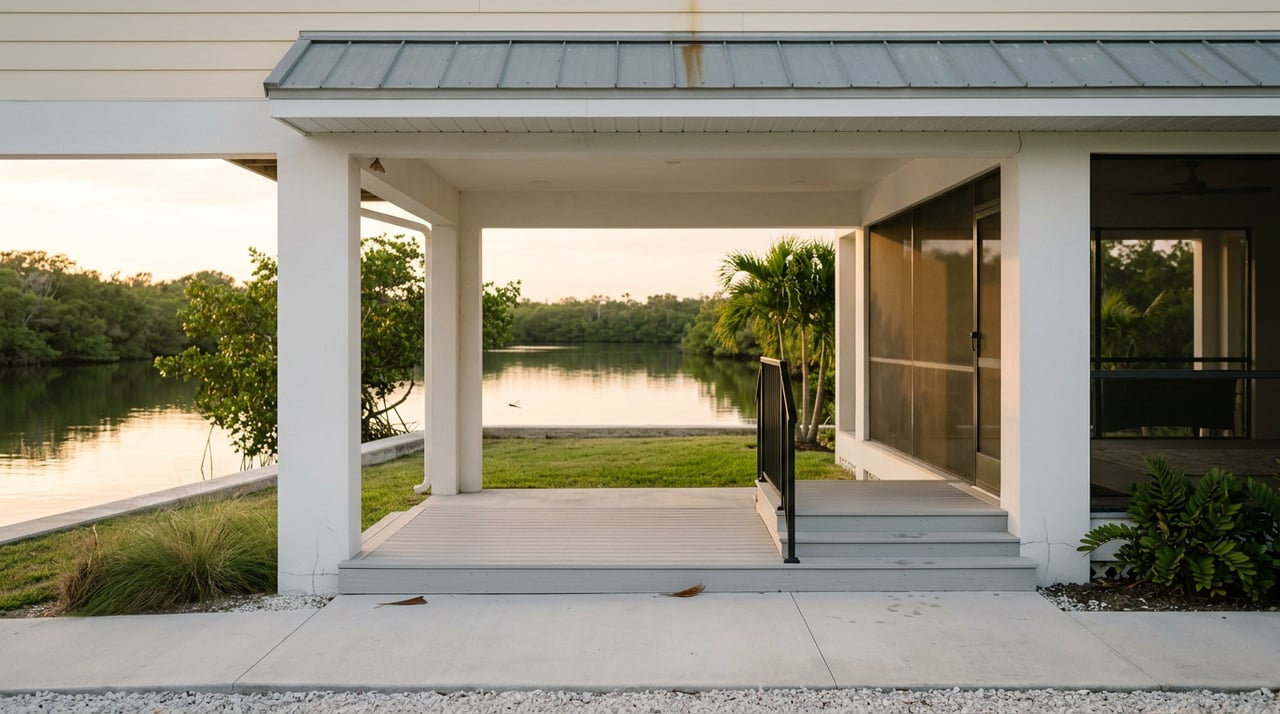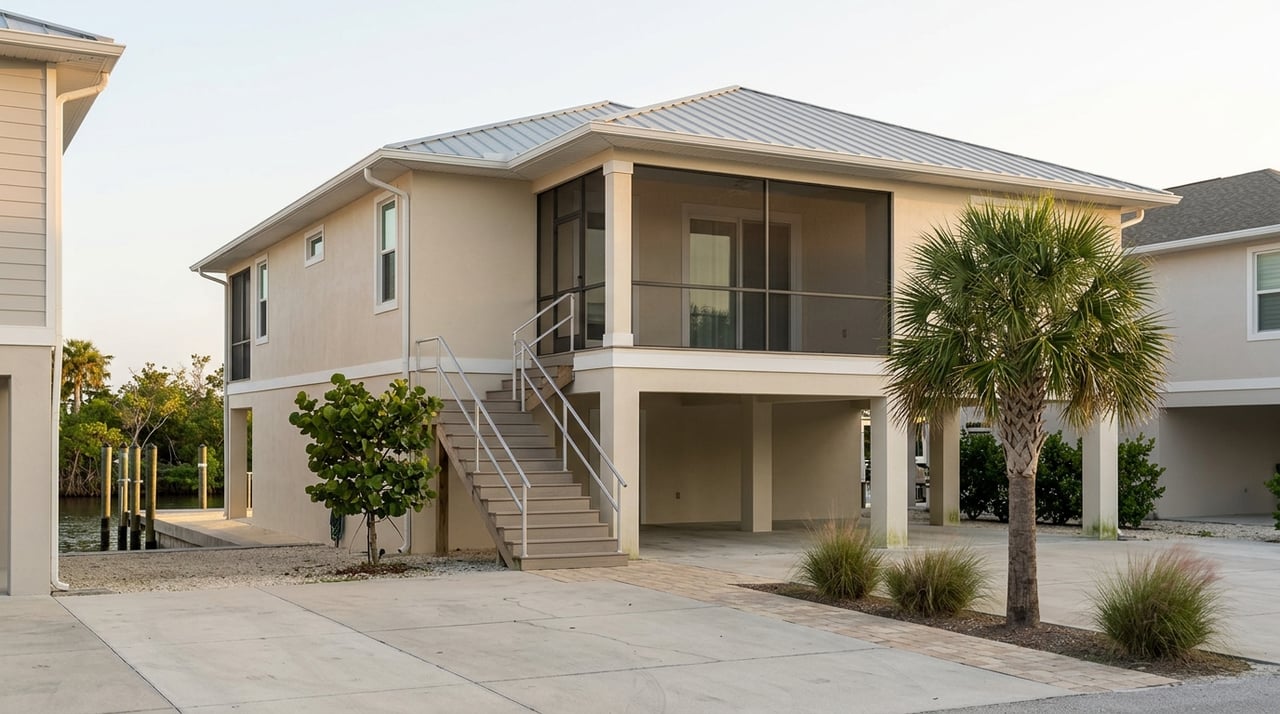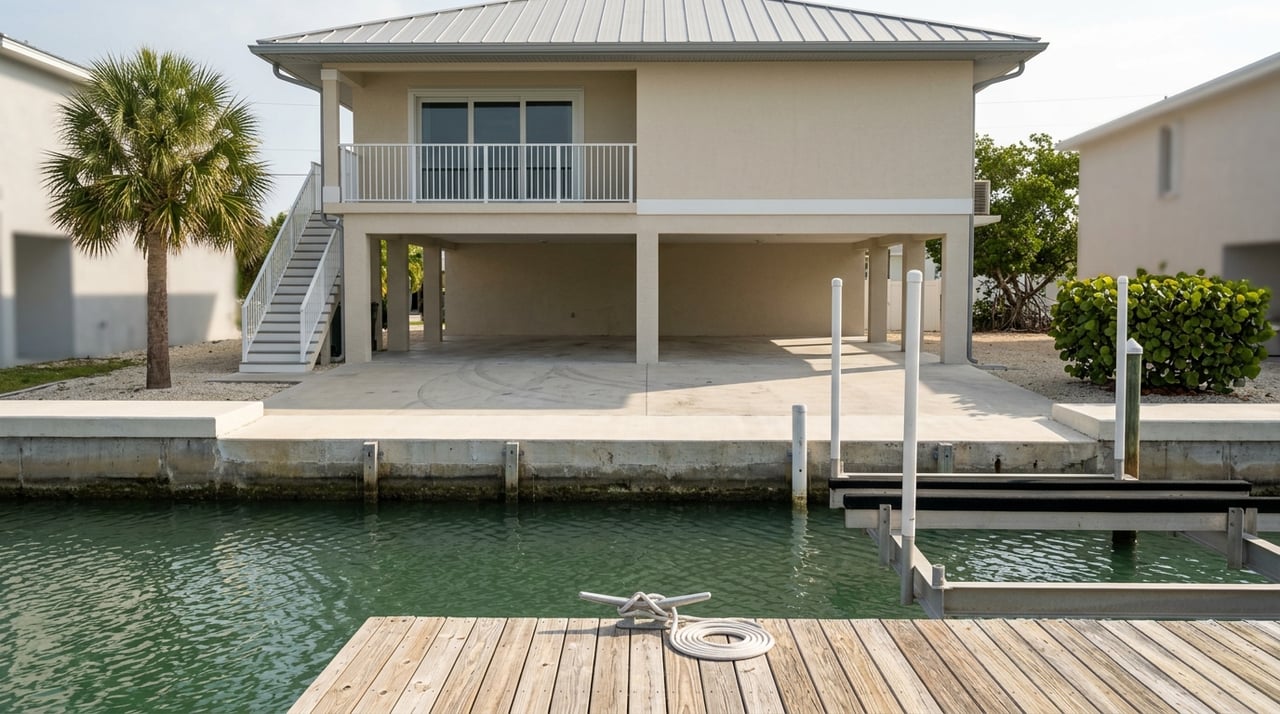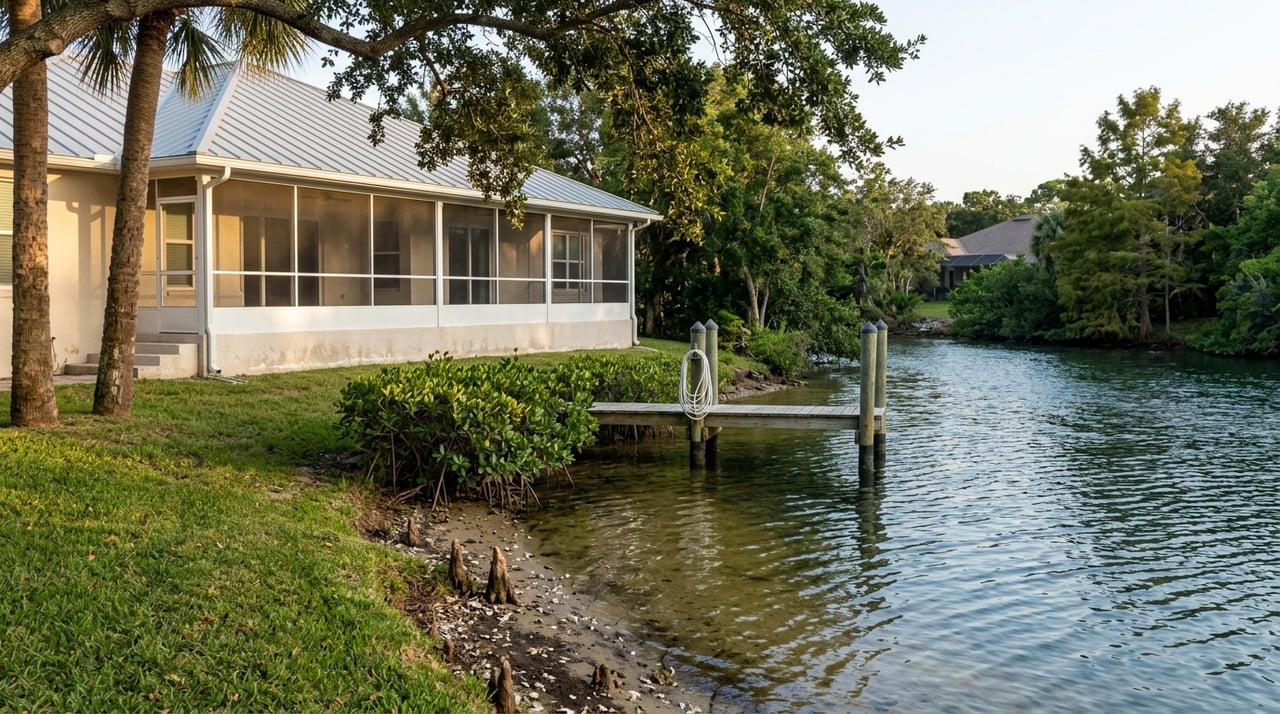
Wondering whether riverfront or canalfront living is the better fit in Weeki Wachee? It is a smart question, because these two waterfront setups can feel completely different once you get past the listing photos. If you want to understand how water type affects boating, privacy, daily use, and long-term value, this guide will help you compare them more clearly. Let’s dive in.
Why the difference matters
In Weeki Wachee, “waterfront” is not one single experience. The area is shaped by a spring-fed river corridor and a canal-based Gulf-access system, and each one creates a different lifestyle.
That means the better choice often comes down to how you actually plan to use the property. If you picture paddling in clear water, your answer may be different than if you want to keep a boat behind the house and run toward the Gulf.
What riverfront means here
Riverfront in Weeki Wachee usually points to the Weeki Wachee River system, which begins as a spring-fed freshwater river. According to the Southwest Florida Water Management District, the upper reach functions like a classic spring-fed river with no significant tidal influence.
Farther downstream, the river becomes estuarine and brackish below Shoal Line Boulevard. That shift matters because not every riverfront property will have the same water character, even if the address says riverfront.
There is another detail buyers should know. Parts of the lower river have been dredged and channelized with canals for homes and businesses, so some properties marketed as riverfront may function more like protected canal frontage than a natural riverbank setting.
What canalfront means here
Canalfront living in the broader Weeki Wachee area is closely tied to the man-made waterfront layout around Hernando Beach and nearby Gulf-access sections. These areas are built around canals, docks, channels, and boating routes rather than a natural spring corridor.
Hernando County notes that the Hernando Beach Boat Ramp sits on the Hernando Beach Channel and provides direct access to the Gulf. Bayport Park also offers access to the Gulf, the Weeki Wachee River, and the Mud River, which shows how canalfront living often revolves around route efficiency and boating convenience.
Even here, not all canal access is identical. County materials note that Gulf access from some subdivisions may involve engineered features like the Hernando Beach South boat lift, so it is important to verify how a specific property reaches open water.
Riverfront lifestyle in Weeki Wachee
If your ideal day starts with coffee by clear water, then turns into kayaking, paddleboarding, or a swim, riverfront may feel like the more natural fit. Weeki Wachee is well known as a clear spring-water destination, and public access areas like Rogers Park highlight that recreational identity.
The upper river is especially oriented toward low-impact water use. Hernando County says the Weeki Wachee Springs Protection Zone runs 5.61 miles from Rogers Park to the headsprings and prohibits anchoring, mooring, beaching, grounding, and motorized vessels.
That protection zone shapes daily life in a big way. In simple terms, riverfront is often more about enjoying the water itself than using it as a fast boating corridor.
Riverfront pros
- Clear spring-fed water in the upper river
- Strong fit for kayaking, paddleboarding, and swimming
- Often a more natural setting
- Potential for a more secluded feel on larger or preserve-facing lots
Riverfront trade-offs
- Motorized vessel use is limited in the protection zone
- Water character changes farther downstream
- Some so-called riverfront properties may be more canal-like than expected
- Boating utility depends heavily on exact location
Canalfront lifestyle in Weeki Wachee
Canalfront living usually makes more sense if boating is part of your weekly routine. This setup is built around having a dock at home, stepping onto your boat quickly, and planning routes toward the river or Gulf.
Hernando County describes the Hernando Beach Boat Ramp as serving nearshore and deep-water fishing along with recreational boating. That gives you a good picture of the canalfront mindset: convenience, access, and time on the boat.
If you are the kind of buyer who wants to think about dock layout, seawall condition, and how easily you can idle out to open water, canalfront often checks more boxes. It is less about swimming off the backyard and more about what your water route lets you do.
Canalfront pros
- Easier setup for keeping a boat at home
- Stronger fit for daily boating and Gulf access
- Docks, seawalls, and boating infrastructure are often central features
- Can offer direct access to both the Gulf and the Weeki Wachee River in some locations
Canalfront trade-offs
- Views may include more seawalls, docks, and neighboring homes
- Privacy can be lower on narrower canals
- Access quality can vary by subdivision and route
- The easiest boating setup is not automatic and should be verified property by property
Privacy and feel
Privacy is one of the biggest differences buyers notice once they visit properties in person. True riverfront often feels more secluded, especially on larger lots or sites facing preserve land.
The river corridor also has a stronger natural feel. The Southwest Florida Water Management District notes that the Weeki Wachee system supports manatees, river otters, dolphins, blue crabs, birds, and other wildlife, which adds to that sense of being close to a living waterway.
Canalfront properties usually feel more structured and residential. You are more likely to see dock lines, seawalls, lifts, and homes across the canal, though larger lots, wider canals, and cul-de-sac settings can still offer very good privacy.
Boating access is the real separator
For many buyers, the biggest question is not riverfront versus canalfront in the abstract. It is whether the property matches the way you boat.
Riverfront generally wins for paddling and swimming. Canalfront generally wins for keeping a boat at home and making regular runs toward the Gulf.
That is why map position matters so much. A home advertised as riverfront may sit on a deep-water canal close to the river, while another may offer a very different setup with more restrictions or a different water character than you expected.
Value and resale depend on utility
In Weeki Wachee, resale value is usually driven by usable frontage more than the word waterfront alone. Buyers tend to focus on lot size, frontage length, dock condition, seawall quality, water depth, and how simple the route is to the river or Gulf.
Public sales examples show how wide the range can be. A riverfront cottage on W Richard Drive sold for $470,000 and was marketed with two docks and direct spring-fed river access, while a deep-water canal home on Waverly Road sold for $400,000 with a 50-foot dock and direct access to both the Gulf and the Weeki Wachee River.
The takeaway is simple. Riverfront can command a scarcity premium, but a strong canalfront property can be just as compelling when the dock works well, the water is usable, and access is straightforward.
Features that often move value
- Frontage length
- Lot size
- Dock and lift usability
- Seawall condition
- Water depth
- Direct versus indirect boating route
- Bottlenecks such as lifts, bridges, or no-wake stretches
- Overall maintenance history
Flood and insurance checks matter
Before you fall in love with the view, make sure you understand the flood picture. Hernando County says the FEMA Flood Insurance Rate Map is the official source for flood-zone determinations, and the county also maintains watershed data that can affect development.
For waterfront buyers, this means elevation, flood zone, likely insurance cost, and property maintenance history all deserve attention. These factors can affect both monthly ownership costs and future resale.
This is one area where local waterfront experience matters. A home that looks similar from the street can feel very different once you compare access, flood exposure, and dock utility.
What to verify before making an offer
A waterfront listing headline only tells part of the story. In Weeki Wachee, you will want to confirm the exact water setup before you make a decision.
Use this checklist as a starting point:
- Confirm whether the lot is on true riverfront, a canal, or a channelized river section
- Check dock dimensions and overall dock condition
- Verify water depth at the property
- Understand whether the route to open water is direct or indirect
- Ask if lifts, bridges, or other bottlenecks affect your boat use
- Confirm the FEMA flood zone
- Review likely flood insurance expectations
- Determine whether the property falls inside the Weeki Wachee Springs Protection Zone
Which one is right for you?
Choose riverfront if you are drawn to clear spring water, paddling, swimming, and a more natural setting. It is often the better match when the water itself is the lifestyle feature you care about most.
Choose canalfront if your priority is boating convenience, dock function, and easier runs toward the Gulf. It is often the better fit when you want your backyard to work like part of your boating setup.
In the end, the best property is not the one with the best label. It is the one where the water, access, and day-to-day use line up with how you actually want to live.
If you want help comparing a specific riverfront or canalfront property in Weeki Wachee, Greg Klesius can help you sort through the boating access, dock setup, flood questions, and waterfront details that really matter. Start with a canal tour.
FAQs
Is riverfront or canalfront better for kayaking in Weeki Wachee?
- Riverfront is usually better for kayaking because the upper Weeki Wachee River is spring-fed, clear, and oriented toward paddling and swimming.
Is canalfront or riverfront better for keeping a boat at home in Weeki Wachee?
- Canalfront is usually more practical for keeping a boat at home because these properties are often built around docks, channels, and Gulf-access boating routes.
Does every riverfront home in Weeki Wachee have the same water conditions?
- No. The upper river is freshwater and spring-fed, while the lower river becomes brackish, and some lower sections have been dredged or channelized.
Does canalfront living in Weeki Wachee always mean direct Gulf access?
- No. Canal access can vary by subdivision, and some routes may involve engineered features or less direct paths to open water.
What should buyers verify on a Weeki Wachee waterfront property before making an offer?
- Buyers should verify the exact water type, dock dimensions, water depth, route to open water, flood zone, insurance expectations, and whether the property is inside the Weeki Wachee Springs Protection Zone.