"It's been decent," Kelly Kofmehl of The Crab Plant in Crystal River told WUFT in a story published November 6, 2026. "We've had better starts, but we've had way worse."
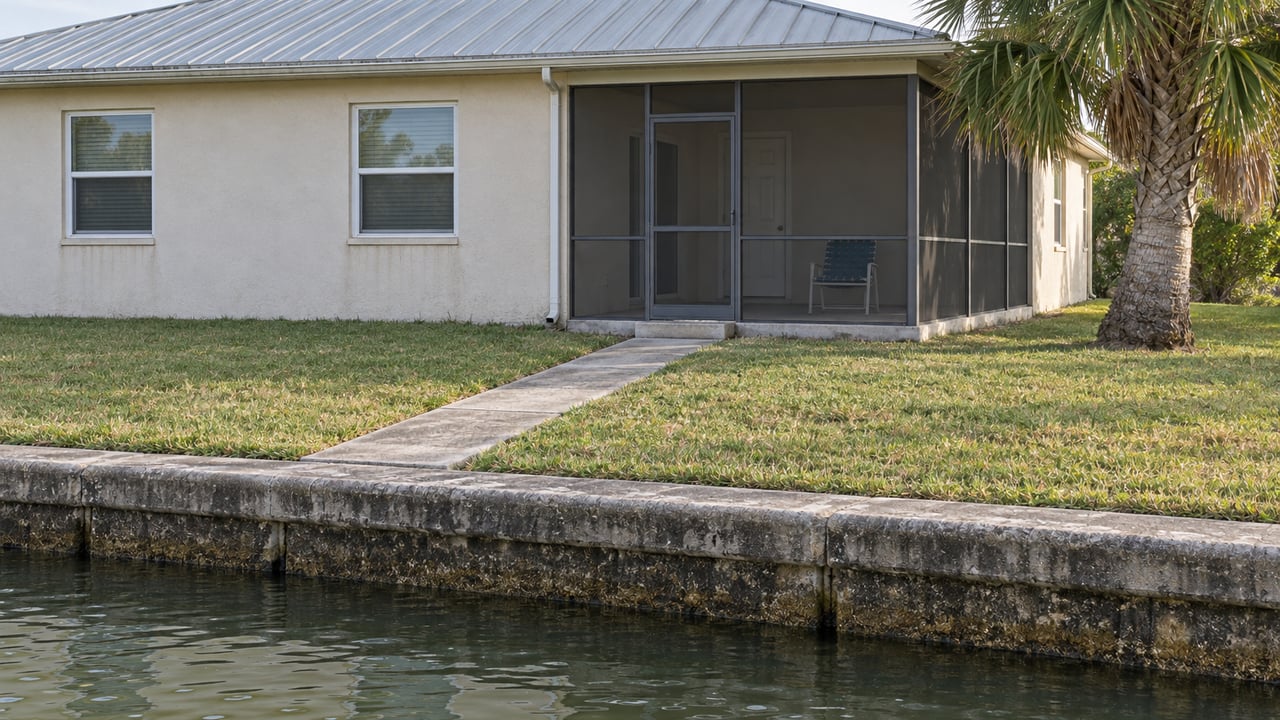
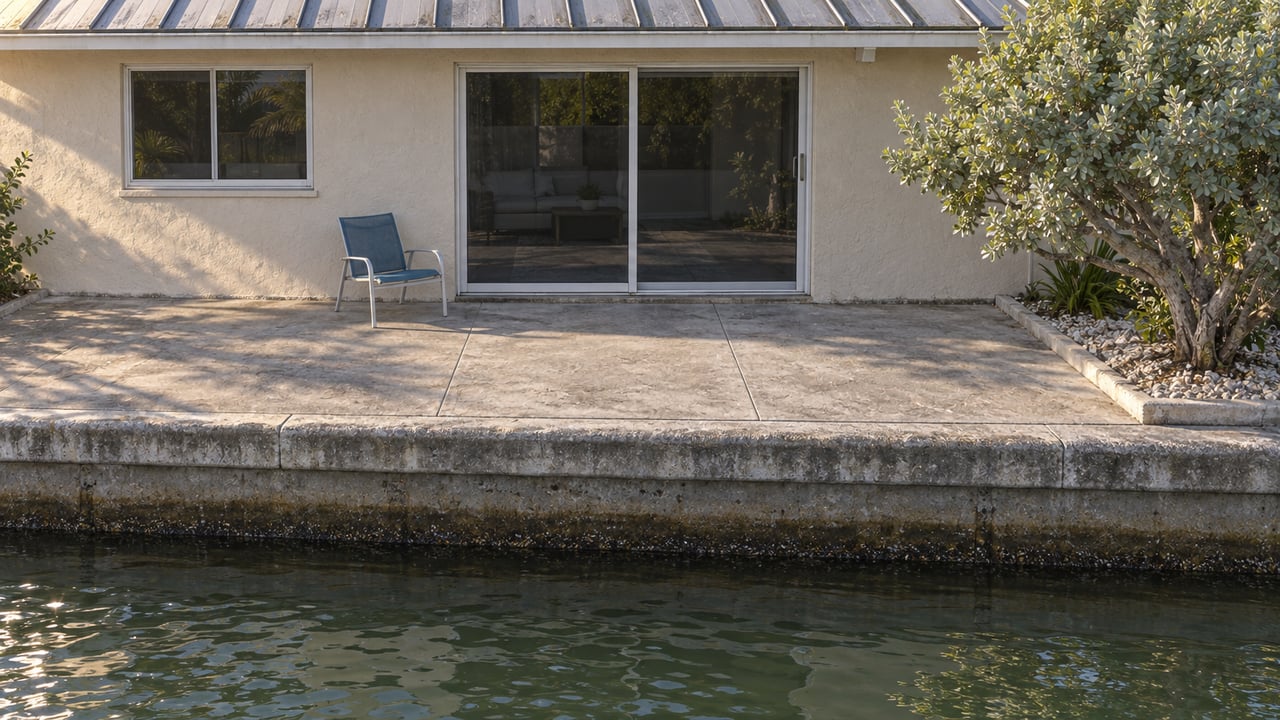
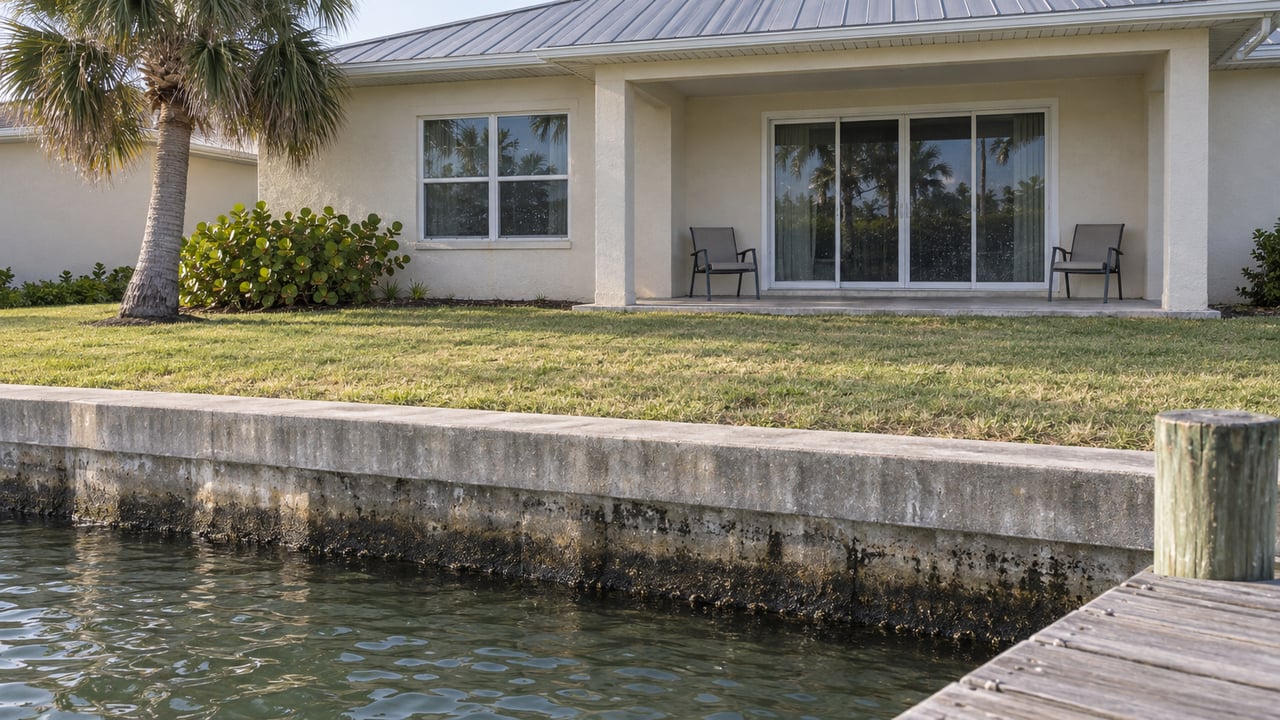
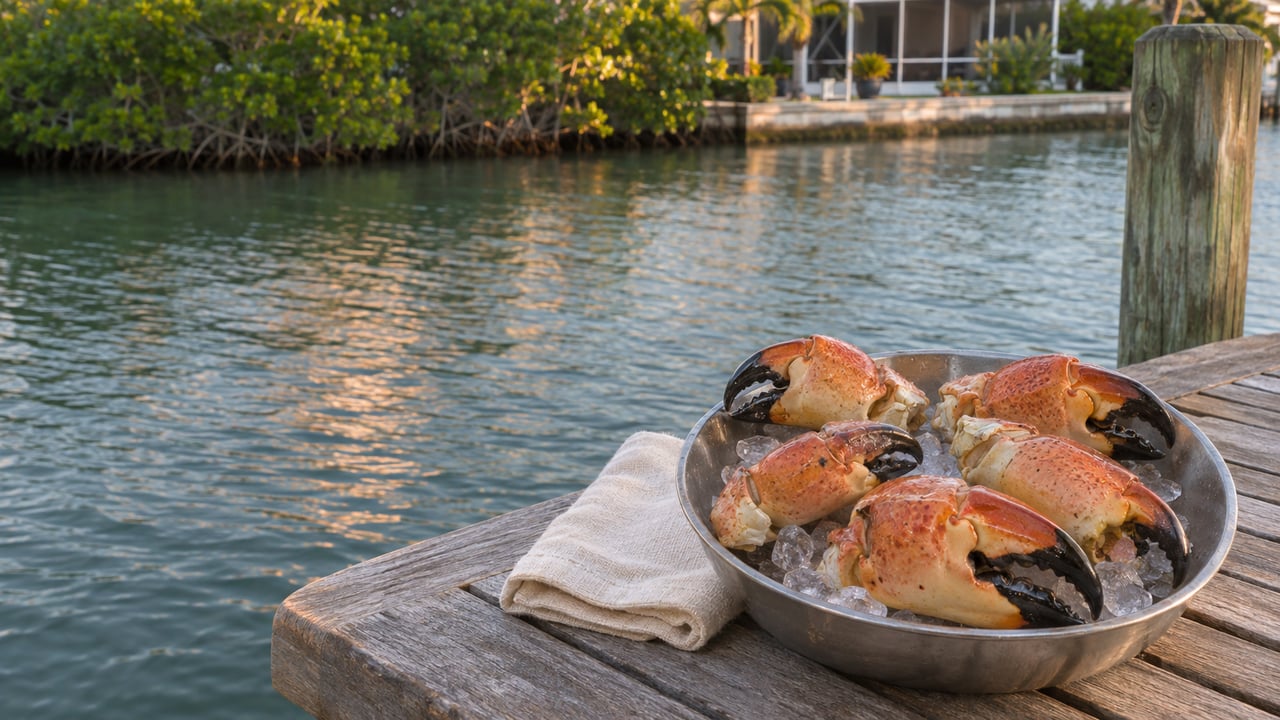
Four weeks after the October 15 opener, that's about as upbeat as the Nature Coast stone crab business gets this year. The crabs are out there. Getting them from the trap to the counter costs more than it did last season, and that cost isn't showing up as a lower price on the scale. A Hernando Beach canal home sits right where the state's recreational rules treat a seawall differently from open water, and the county once wrote a canal rule around the seawall too. This season, the claws on your plate can come from the seafood counter or from your own dock.
What the season looks like four weeks in
The WUFT story followed three businesses along our stretch of coast, and their answers didn't quite agree.
At The Crab Plant, Kofmehl said production was running somewhat higher than last year and the crabs were bigger. He also said "everything we do is more expensive," and he pointed to fuel as one of the biggest problems. His market has tried to keep customer prices at last year's levels by running leaner.
Closer to home, Karri Holliday, co-owner of Aripeka Stone Crab Company, told WUFT that her retail and wholesale business is feeling the same fuel pressure along with slower consumer spending. She called the start of the season average. The opening weeks are usually productive because the crabs have had all summer to rest, but she said this year has been somewhat slower.
Michelle "Shelly" Smith, co-owner of Shelly's Seafood Market, explained how that squeeze reaches the boats. When costs go up and market prices don't keep pace, she said, fishermen "make less." She also told WUFT that strong easterly winds kept boats in her area off the water for several days during the second week of the season.
So prices are holding steady, catches are mixed, and the people in the middle are taking the hit. Kofmehl also pointed out that rough water can help. A hurricane that passed offshore while crews were setting traps stirred things up, and "the crabs move when in the rougher water," he said.
What a pound costs here compared with down south
The Sun Sentinel gathered opening-week retail prices from South Florida markets. Its story was published October 19, 2026 and updated October 28. Here's how those numbers compare with a Nature Coast listing:
| Seller | Large claws, per pound |
|---|---|
| Captain Clay and Sons Seafood Market, South Florida | $37.99 |
| Delaware Chicken Farm & Seafood Market, South Florida | $36.99 |
| Pop's Fish Market, South Florida | $37.99 |
| Hernando Local, Nature Coast | $31.95 |
Hernando Local's online listing describes its large claws as locally caught by boats out of Tarpon Springs and Bayport, fresh and never frozen, with local delivery or store pickup. On that comparison, a pound of large claws costs about $6 less here than at the South Florida markets the Sun Sentinel checked in October. These prices change daily or weekly with supply and demand, as Smith told WUFT, so treat each number as a snapshot.
The Sun Sentinel's wholesale quotes for the opening period also show how much size drives price. Medium claws ran $22 to $39 a pound and colossal claws ran $50 to $79. The paper also reported some shortages of medium claws early on. Medium claws are the size you're most likely to pull from a trap off your own seawall.
Where Hernando Beach buys claws
On October 17, 2026, Florida's Adventure Coast pointed seafood shoppers to Aripeka Stone Crab Company for fresh claws and locally sourced seafood. The company operates at 3080 Sunset Vista Drive in Spring Hill. In 2022, the Hernando Sun reported that county commissioners approved a rezoning so its commercial crabbing and fishing operation could continue at that site. It's a crabbing family with a retail counter, which makes it the closest link between the Aripeka boats and your dinner table. Call before you drive over and ask what sizes they have that day.
Trader Bay Seafood is on Hernando Beach's main road at 4006 Shoal Line Boulevard. Its website lists these hours: closed Monday, 11 a.m. to 7 p.m. Tuesday through Thursday, 11 a.m. to 8 p.m. Friday, 10 a.m. to 8 p.m. Saturday and 11 a.m. to 5 p.m. Sunday. Ask about claws when you call.
The dock is where the rules change
Most of a crabber's costs come from running a boat to the trap line, and fuel is the expense every business in the WUFT story mentioned. A canal-front owner who drops a trap off the seawall skips that cost entirely. Florida's recreational rules already treat that setup as its own case.
Here's what FWC's recreational stone crab page lays out for the 2026–27 season:
| Rule | What FWC says |
|---|---|
| Season | Oct. 15 through May 1, closed May 2 |
| Claws | Claws only, 2 7/8-inch minimum; no harvest from egg-bearing crabs |
| Bag limit | One gallon of claws per person or two gallons per vessel, whichever is less |
| Traps | Up to five per person, pulled by hand during daylight |
| Placement | Not in navigational channels of the Intracoastal waterways, or in navigational channels maintained and marked by a county, municipal, state or federal agency |
| Buoys | Not required when the trap is fished from a dock; otherwise at least 6 inches, with an "R" at least 2 inches high |
| Trap build | Degradable panel 5½ by 3½ inches of cypress or untreated pine; wire traps need three 2⅜-inch escape rings, wood or plastic traps one 2 3/16-inch ring |
That buoy exemption is the part a canal owner will feel. A trap tied to your dock doesn't need a float out in the canal, because the dock already shows where it is.
Registration is free. Anyone 16 or older, including people who don't need a fishing license, adds a stone crab trap registration to their account on GoOutdoorsFlorida.com. Each trap is then marked with the registration number plus the owner's full name and address. Crabbers under 16 skip the registration but still mark their name and address.
When a keeper comes up, FWC's stone crab FAQ says to break the claw so the joint diaphragm stays intact, which lets the crab regrow it. Egg-bearing females go back immediately and unharmed. Every dock trap that gets handled this way is part of the same regrowing fishery that keeps Aripeka's boats working.
FWC's other crab rules make the same exception for docks. In July 2025, the agency closed state waters from Hernando through Wakulla counties to blue crab traps from July 20 to 29 so authorized groups could pull lost and abandoned traps. The announcement said standard traps attached to docks or other private property could still be fished during the closure.
Hernando County wrote a canal rule in 1994
The county has its own history with canal traps. On May 18, 1994, the Tampa Bay Times reported that the county had approved a law requiring crab traps in canals to be either tied to a dock or seawall or attended. The Port Authority and the Florida Marine Patrol were to enforce it, with a warning for a first violation and a $90 cost after that. The Hernando County Clerk's historical ordinance index lists it as Ordinance 94-5, adopted May 17, 1994, "providing that it would be unlawful to set unattended crab traps in manmade, saltwater canals."
Put the state and county rules side by side and they point the same way. The state drops the buoy for a dock trap, and in 1994 the county's answer to loose traps in canals was to tie them to the seawall. The same Times story said the Port Authority had also proposed keeping traps 100 feet from open-water channel markers. That piece was left out while county attorneys looked into jurisdiction.
Before you set a trap in the canal behind your house, call Hernando County's Waterways Division at (352) 754-4742 and ask how the canal trap rule reads today. That's the county office that maintains local aids to navigation and handles waterway reports. This post is general information, not legal advice. The county and FWC have the final word on what applies to your dock.
The calendar from here
FWC lets recreational crabbers put traps in the water up to 10 days before the season opens, but nobody can tend them until opening day. That early window closed on the October 15 opener. A trap registered and set now still gets almost six months of fishing, because the season runs through May 1, 2027 and closes May 2. On days when the wind keeps the commercial boats in, as it did for Smith's area in the second week, a trap tied to your own seawall can still be pulled by hand in daylight, as long as your dock sits outside the channels FWC puts off-limits.
If you're shopping for a canal home and want to see which seawalls and docks would actually work for a trap or two this season, Gulf Coast Fishing Homes can show you on the water. Start with a canal tour, and we'll run the canals with you and point out the docks that fit how you want to use them.