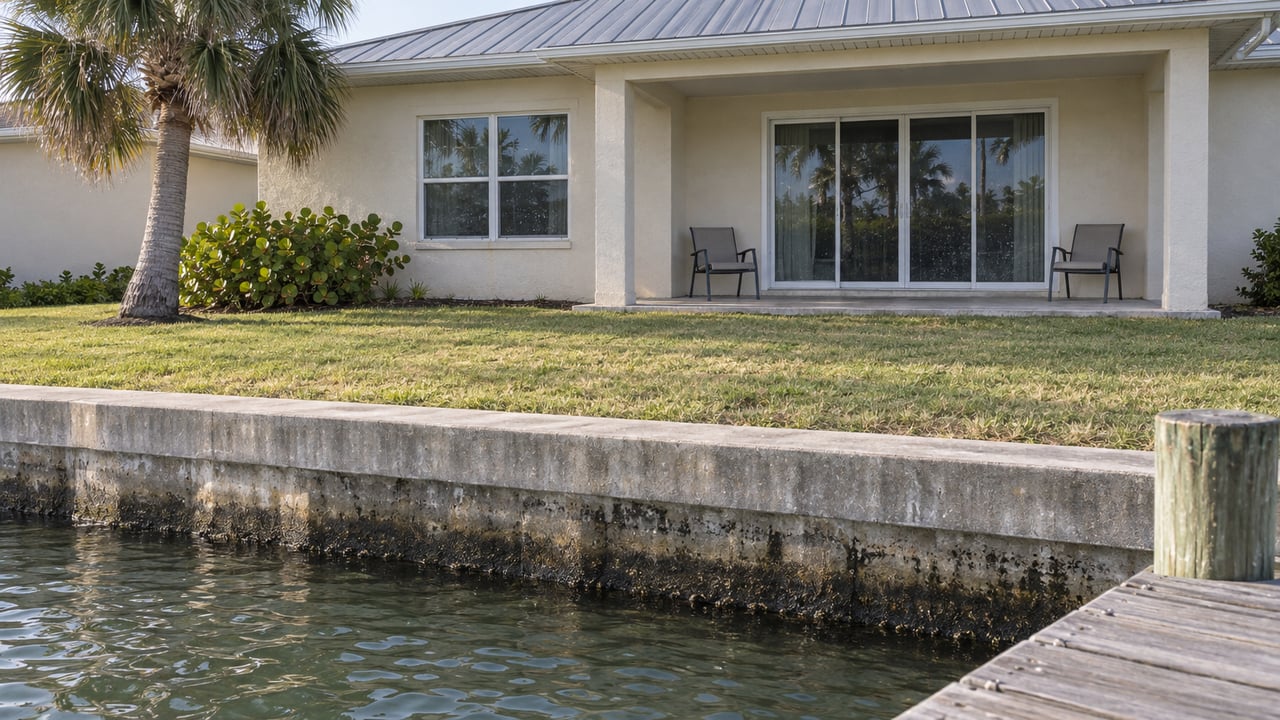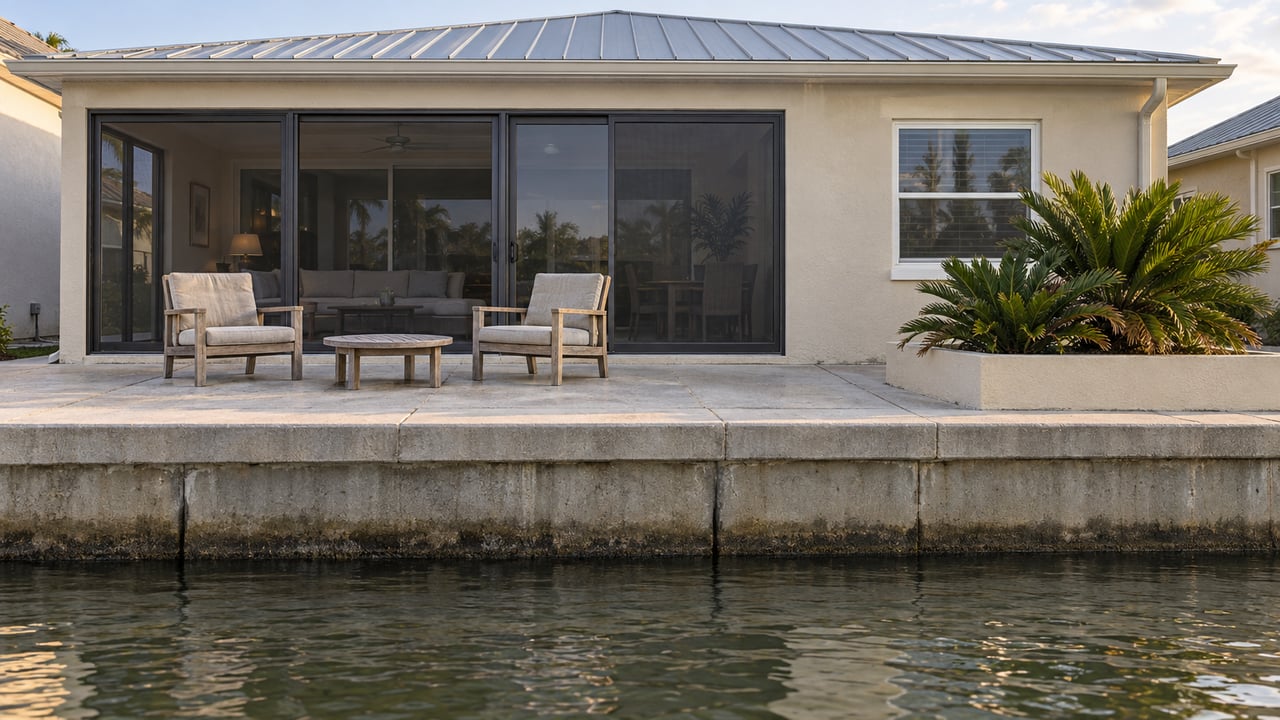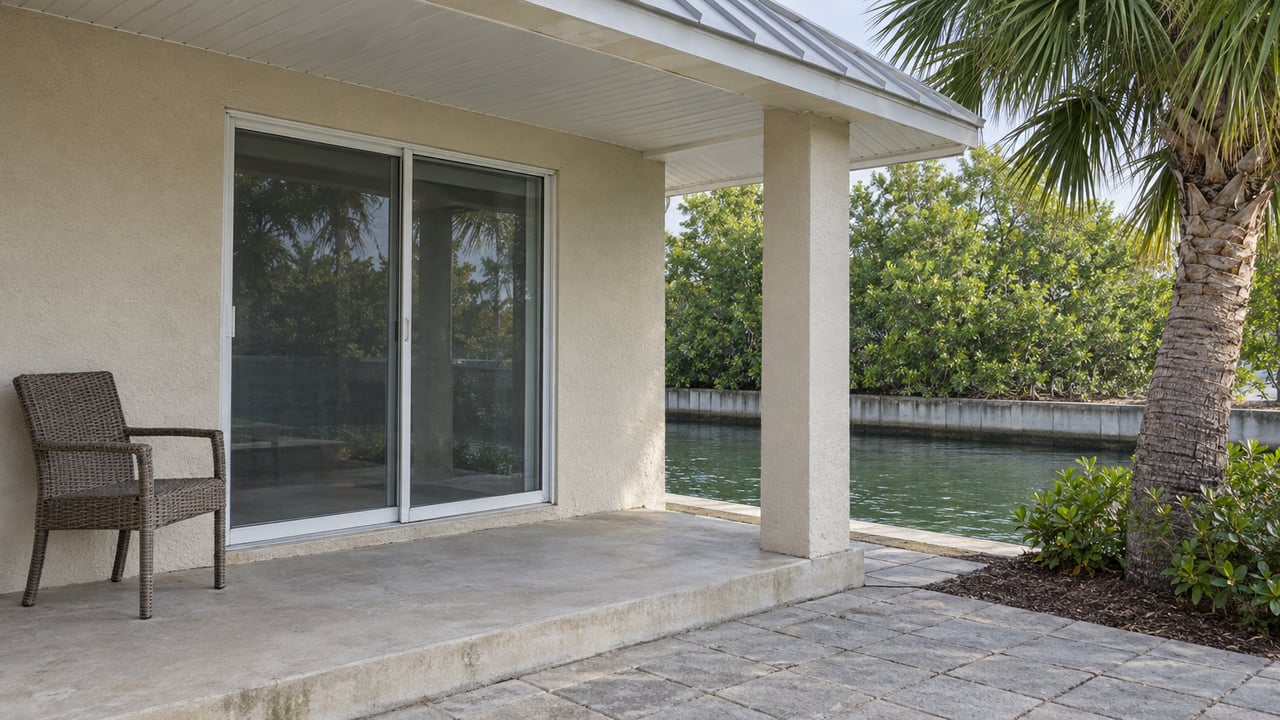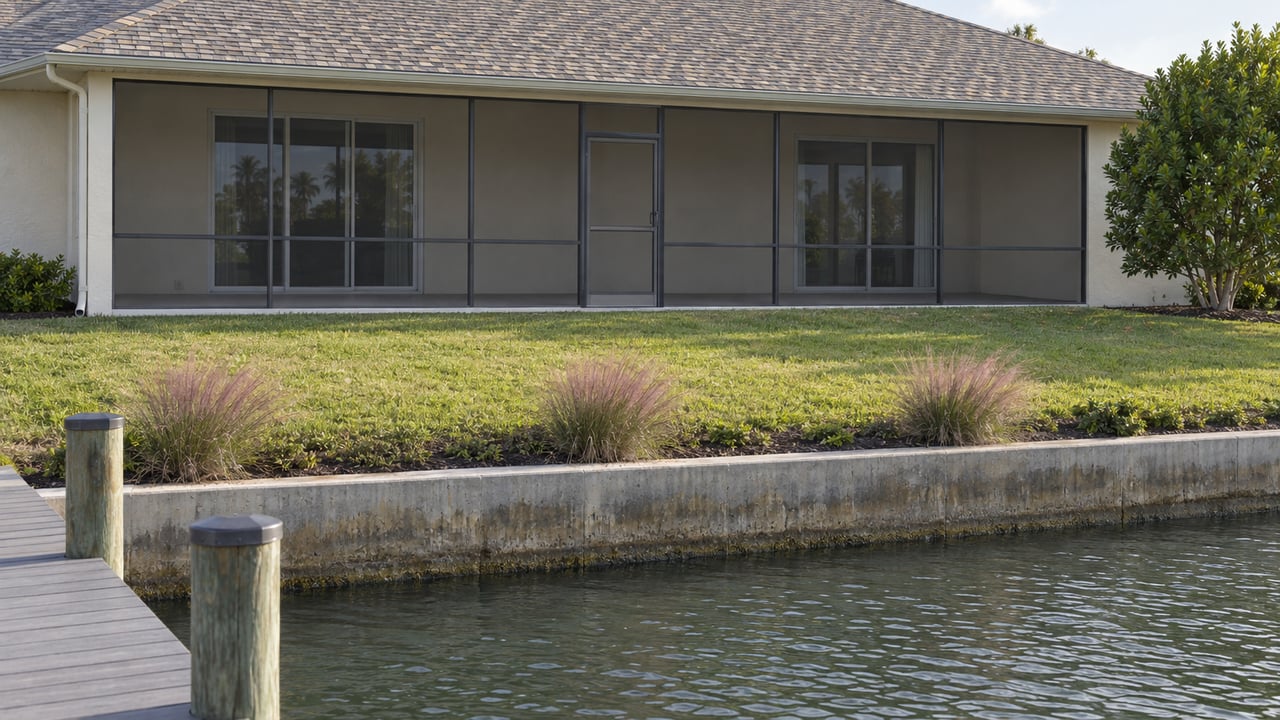
Seeing “direct Gulf access” and “indirect access” in Hernando Beach listings and wondering what it really means for your boat and lifestyle? You are not alone. The type of canal behind a home can change your time-to-Gulf, boat options, maintenance, insurance, and resale. This guide breaks it down in plain language and gives you a checklist to use on any property. Let’s dive in.
Direct Gulf access explained
Direct Gulf access means your canal offers a relatively short, unobstructed route to the Gulf of Mexico without low fixed bridges or long inland detours. You usually get quicker runs to open water, fewer clearance limits, and simpler navigation. For frequent boaters and larger powerboats, that convenience is a major draw in Hernando Beach.
Indirect access explained
Indirect access connects your canal to creeks, estuaries, or channels that take longer to reach the Gulf. Routes may include low fixed bridges, drawbridge timing, narrow passages, and more no-wake sections. Water can be brackish or partially freshwater depending on distance from tidal influence. Many owners here favor shallow-draft or trailerable boats to keep things simple.
Boating time and convenience
If you plan to fish nearshore or head offshore often, direct access generally cuts your transit time. Indirect routes can be peaceful but may add distance, navigation through tighter channels, and occasional waits at movable spans. Real-world timing depends on your exact lot, canal speed limits, and boat.
Bridge clearance and air draft
Fixed bridges set a hard limit on the height of your boat from the waterline up. That can rule out sailboats with tall masts and some flybridge or pilothouse designs. Drawbridges help taller boats, but you still plan around opening schedules or requests. If your boat’s air draft is close to clearance at high tide, even modest local tides matter.
Tides, depth, and draft
West-central Florida tides are modest, but they still affect bridge clearance and shallow canal depth at low water. Shoaling in some canals can make deeper-draft boats wait for more water. Ask for channel depths at mean low water and who maintains dredging so you know what to expect.
Boat types that fit each access
- Direct Gulf access: larger center consoles, cabin cruisers, sportfishers, and many flybridge boats, assuming your dock and canal depth support them.
- Indirect access: skiffs, flats boats, bay boats, and small center consoles with shallow drafts often work best. Trailerable boats are popular for flexibility.
- Sailboats: fixed-keel sailboats usually need direct routes and adequate bridge clearance or a movable span. Many inland canals are unsuitable for keelboats.
Maintenance, salinity, and seawalls
Saltier, well-flushed canals near direct access can accelerate corrosion and marine growth on hulls, lifts, and hardware. Indirect canals can be more brackish and may reduce growth a bit, though salt-related effects still occur. Either way, seawall condition, elevation, and permitted repairs are critical to value and day-to-day use.
Insurance, flood risk, and storms
Proximity to open Gulf waters can raise exposure to wind and surge. Insurers price risk using flood zones and other factors, which can affect premiums and available coverage. Always confirm FEMA flood zone status, elevation, and mitigation features with your insurer before you write an offer. Plan ahead for storm mooring or haul-out, particularly if you keep a larger boat at the dock.
Lifestyle and neighborhood feel
Direct-access areas often see more boat activity during peak seasons because they appeal to anglers and cruisers who want quick runs to open water. Indirect canals can feel quieter and work well for kayaks and leisurely cruising subject to local no-wake rules. Think about how you actually plan to use the water and match the canal to your routine.
Home value and resale
Waterfront homes usually command a premium, and within that group, direct Gulf access often adds value because of convenience. The premium varies with local supply and demand, dock and seawall condition, what size boat is practical at the property, and the specific location in Hernando Beach. Insurance and risk factors also play into pricing, so weigh convenience against long-term costs.
Buyer checklist for any Hernando Beach canal home
Use this list to compare listings and protect your budget:
- Access type: confirm if the canal is direct or indirect and get a route map showing distances, bridges, and obstructions to the Gulf.
- Exact route and timing: estimate travel time from the dock to open Gulf waters at typical cruising speeds, including no-wake zones.
- Bridge details: list every bridge on the route, fixed clearance at typical tides, and how movable spans operate if applicable.
- Canal depth: ask for documented mean low water depths, dredging history, who pays for future dredging, and any known shoaling.
- Dock and seawall: note age, materials, condition, elevation, permitted improvements, and repair history.
- Boat fit: measure your boat’s draft and air draft and compare to canal depth and bridge clearance.
- Local rules: check any HOA or local limits on boat length or beam and proximity to no-wake or restricted areas.
- Tides: understand local tidal range and extreme low-water scenarios that could affect your boat.
- Flood and insurance: verify FEMA flood zone, Base Flood Elevation, and talk with insurers about estimated wind and flood premiums.
- Permits: ask about requirements for seawall repair, new docks, lifts, or dredging.
- Market comps: review recent sales of direct vs. indirect Gulf-access homes in Hernando Beach to gauge pricing.
- Services: locate nearby fuel, pump-out, service yards, and haul-out options and note typical boat traffic patterns.
Smart next steps in Hernando Beach
- Map your route: sketch the path from the dock to the Gulf and mark bridges, narrow spots, and approximate distances.
- Verify the numbers: confirm canal depths at mean low water, bridge clearances, and dredging responsibilities in writing.
- Match the boat to the canal: align your boat’s draft and air draft to the property’s constraints before you bid.
- Plan for storms: ask about marina haul-out options and how owners secure boats during tropical weather.
- Walk the seawall: a quick visual check of cracks, tie-backs, cap height, and permits can save you money later.
If you want a clear, on-the-water comparison of direct vs. indirect options in Hernando Beach, start with a canal tour led by a broker who runs these routes and knows the details. Reach out to Greg Klesius to line up a tour and shortlist properties that truly fit your boat and lifestyle.
FAQs
What is the difference between direct and indirect Gulf access in Hernando Beach?
- Direct access offers a short, unobstructed route to the Gulf with minimal bridges, while indirect routes pass through creeks or bridge-restricted channels that add time and coordination.
How do fixed bridges affect boat choices on Hernando Beach canals?
- Fixed bridges impose a maximum air draft, which can exclude sailboats with tall masts and some flybridge boats, so measure your boat and compare to posted clearances.
Do tides matter on the Gulf side of Hernando Beach canals?
- Yes, local tides influence under-bridge clearance and shallow canal depth at low water, which can delay deeper-draft boats on certain tides.
Which access type suits kayaks and small, shallow-draft boats?
- Indirect canals often work well for kayaks and shallow-draft boats because of calmer water and no-wake sections, though rules and conditions vary by canal.
Will a direct Gulf-access home always sell for more in Hernando Beach?
- Direct access often carries a premium, but pricing depends on canal depth, seawall condition, boat size allowance, location, and insurance costs.
What should I verify about canal depth and dredging before buying?
- Get documented mean low water depths, the last dredging date, who pays for future dredging, and whether shoaling is known near the property.
How does access type influence insurance costs in Hernando Beach?
- Homes closer to open water can face higher wind and surge exposure, so confirm FEMA flood zone, elevation, and get insurer quotes for accurate premium comparisons.